AMQ - The Story
Every Monday evening, a young boy in Beirut, Lebanon took a risk and broke his mother’s rule not to stay up late and watch television. But as she spent her evenings at the neighbors’ apartment playing cards, he would sneak out to the TV room and watch his favorite show, The Mod Squad, and dreamed that one day he would visit America.
Not long after that, his dream came true, and in 1970, his whole family emigrated to the United States and settled in Falls Church, Virginia, a suburb of the nation’s capital. He was eager to be immersed in this new culture and to become as American as he can be.
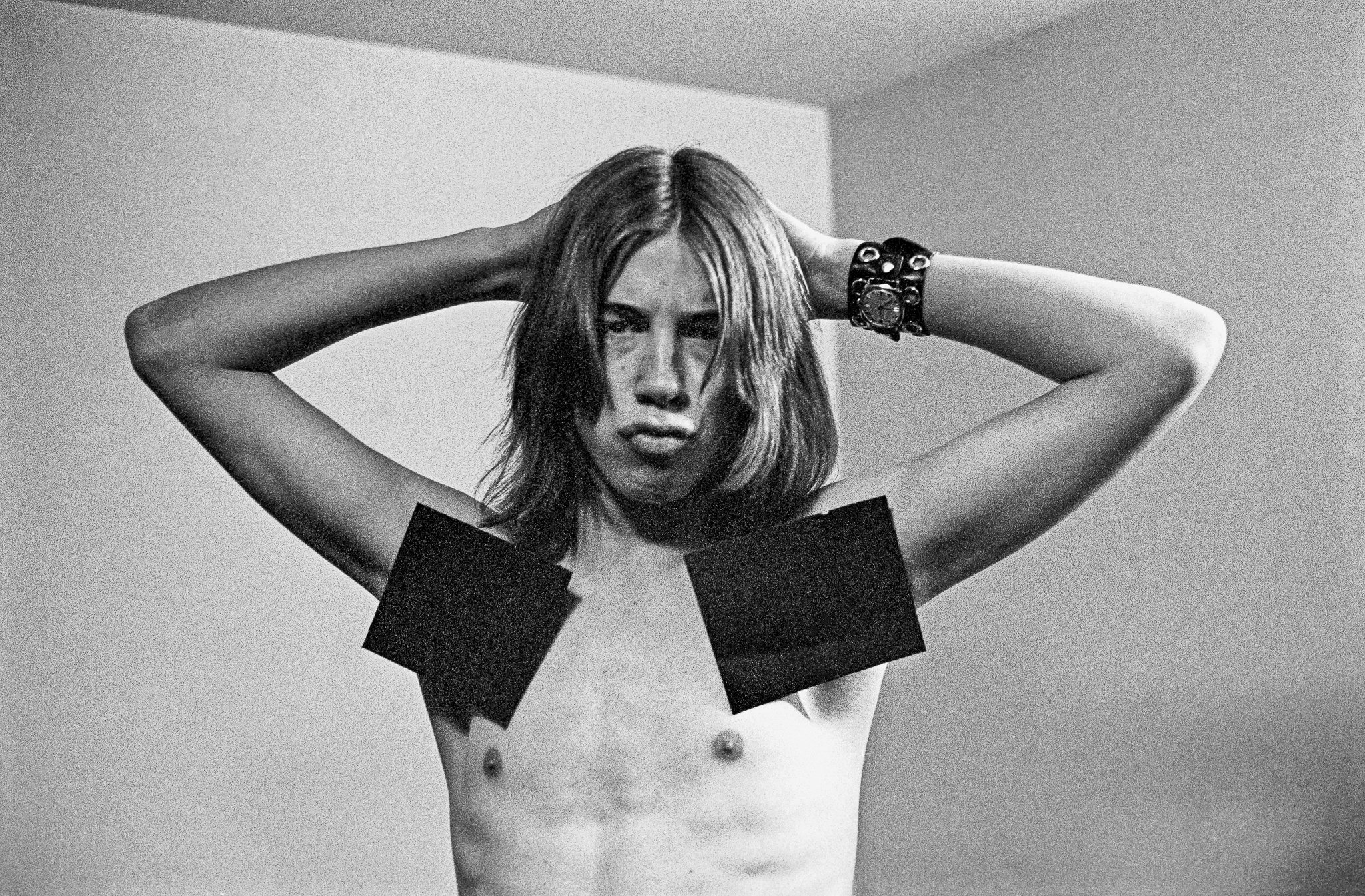
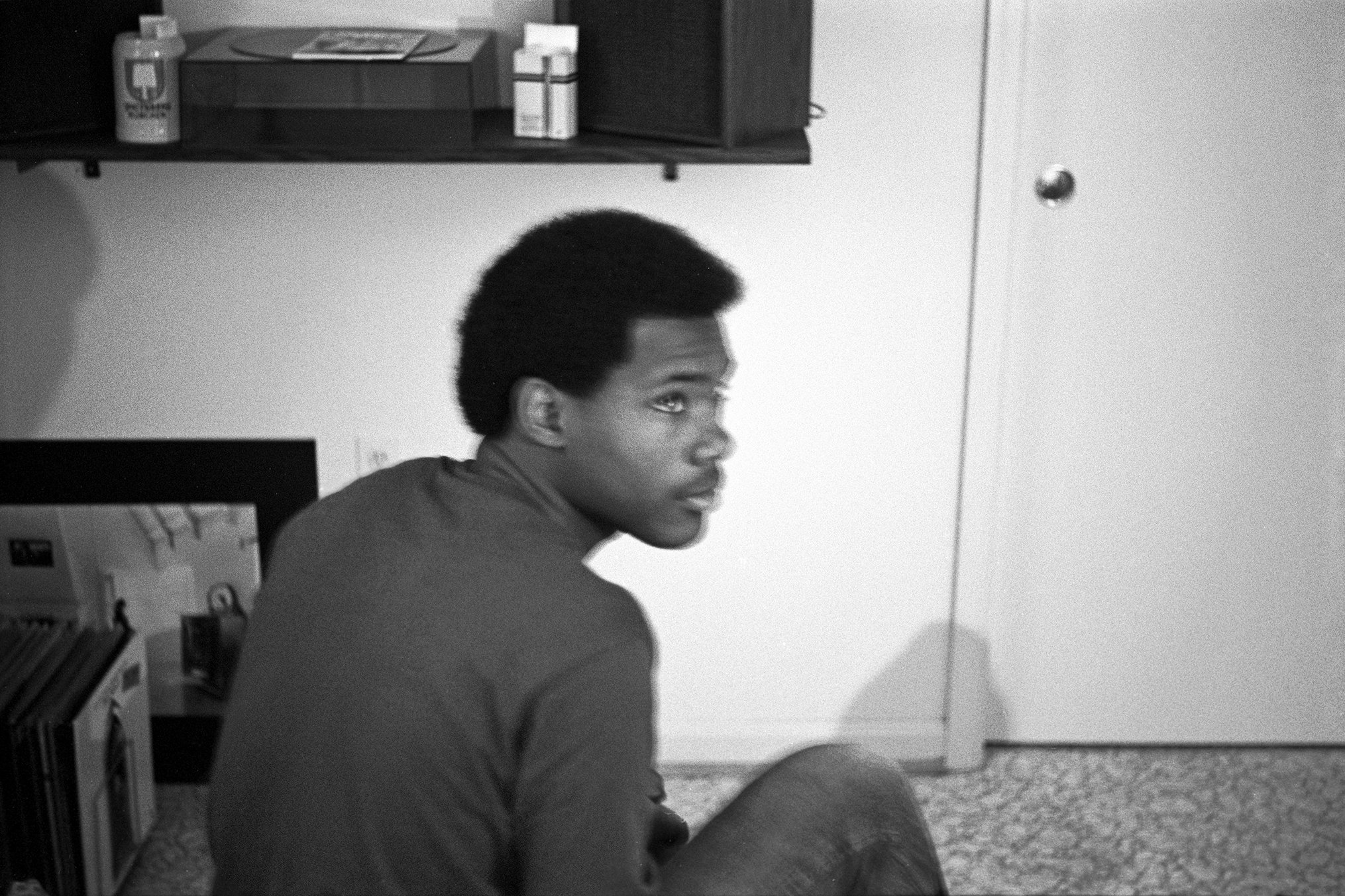
In High School, his best friends included Linda, a native American girl and Mike, a kooky long haired hippy boy who would put on a gorilla mask and dance to Frank Zappa songs in his bedroom with nothing but black-lights on. His first passionate kiss was with Archie, a black boy who lived nearby.
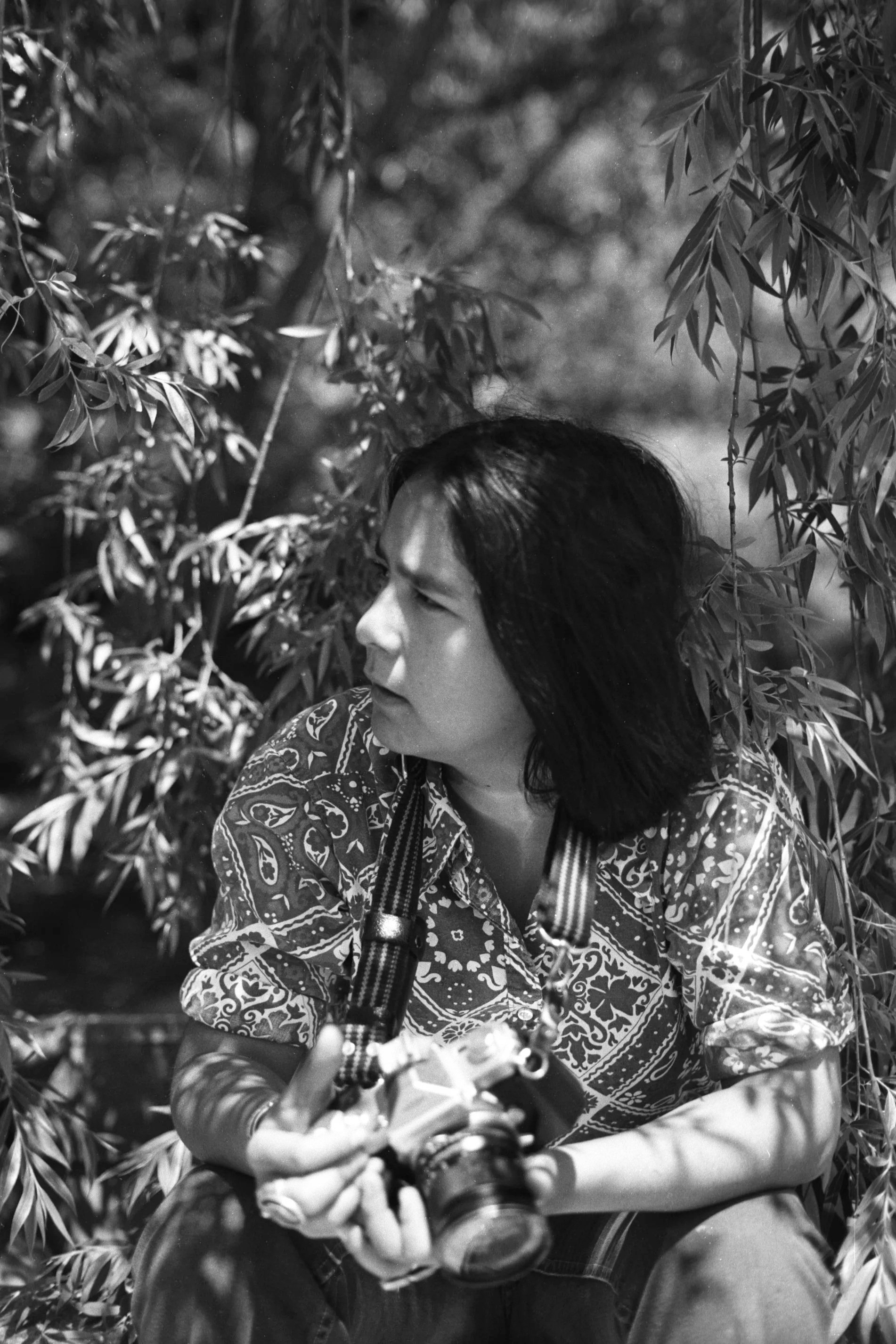
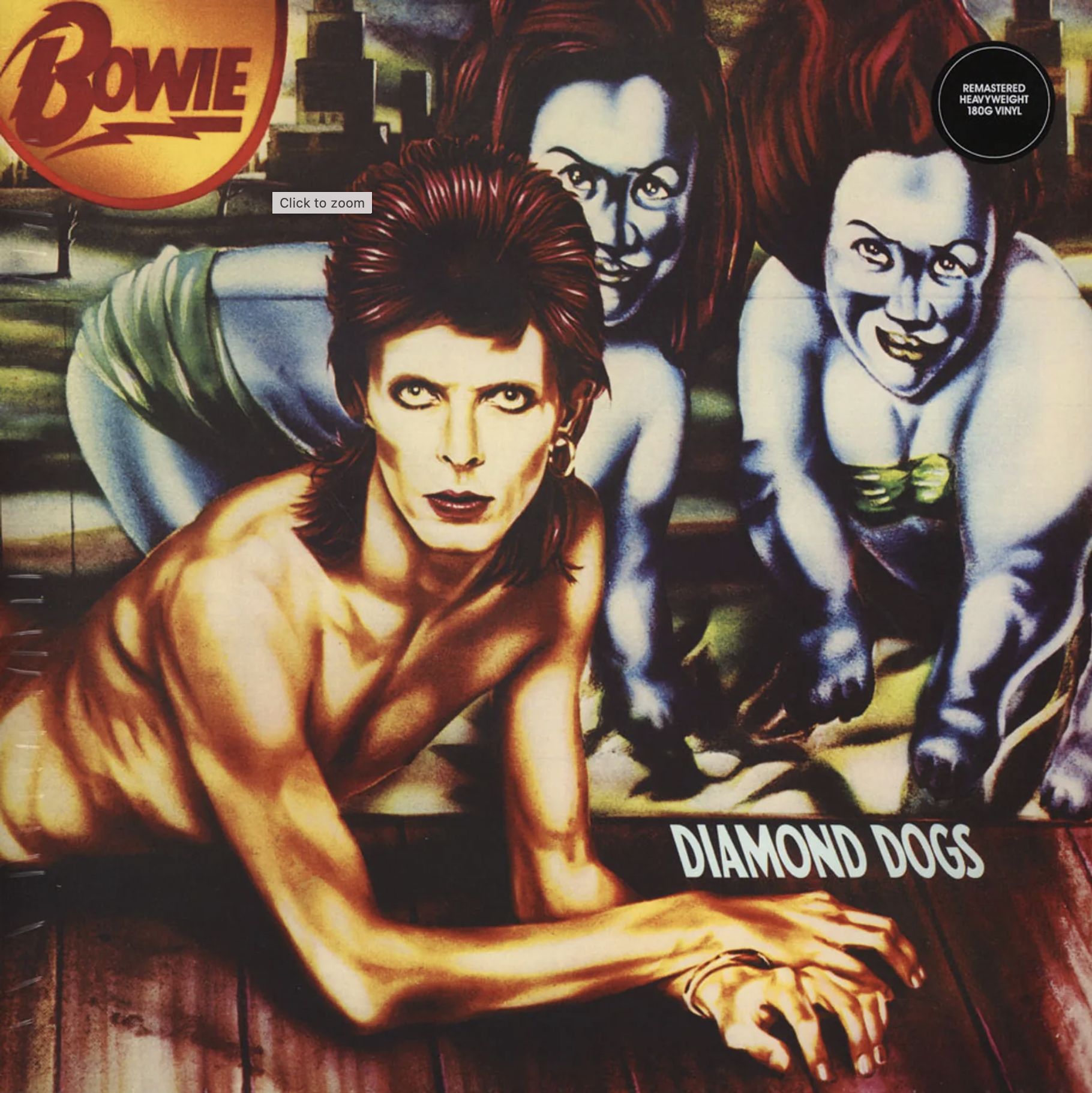
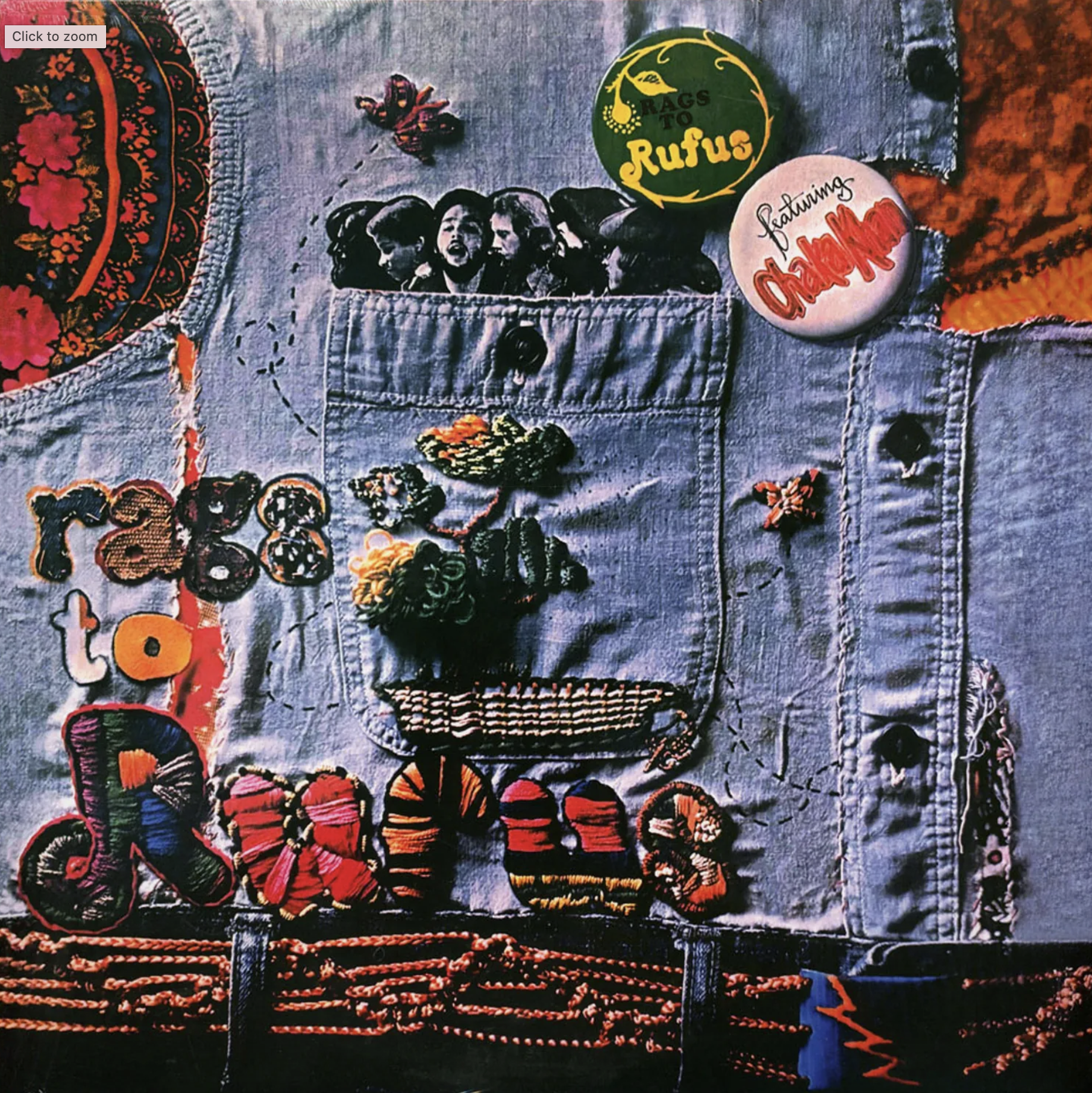
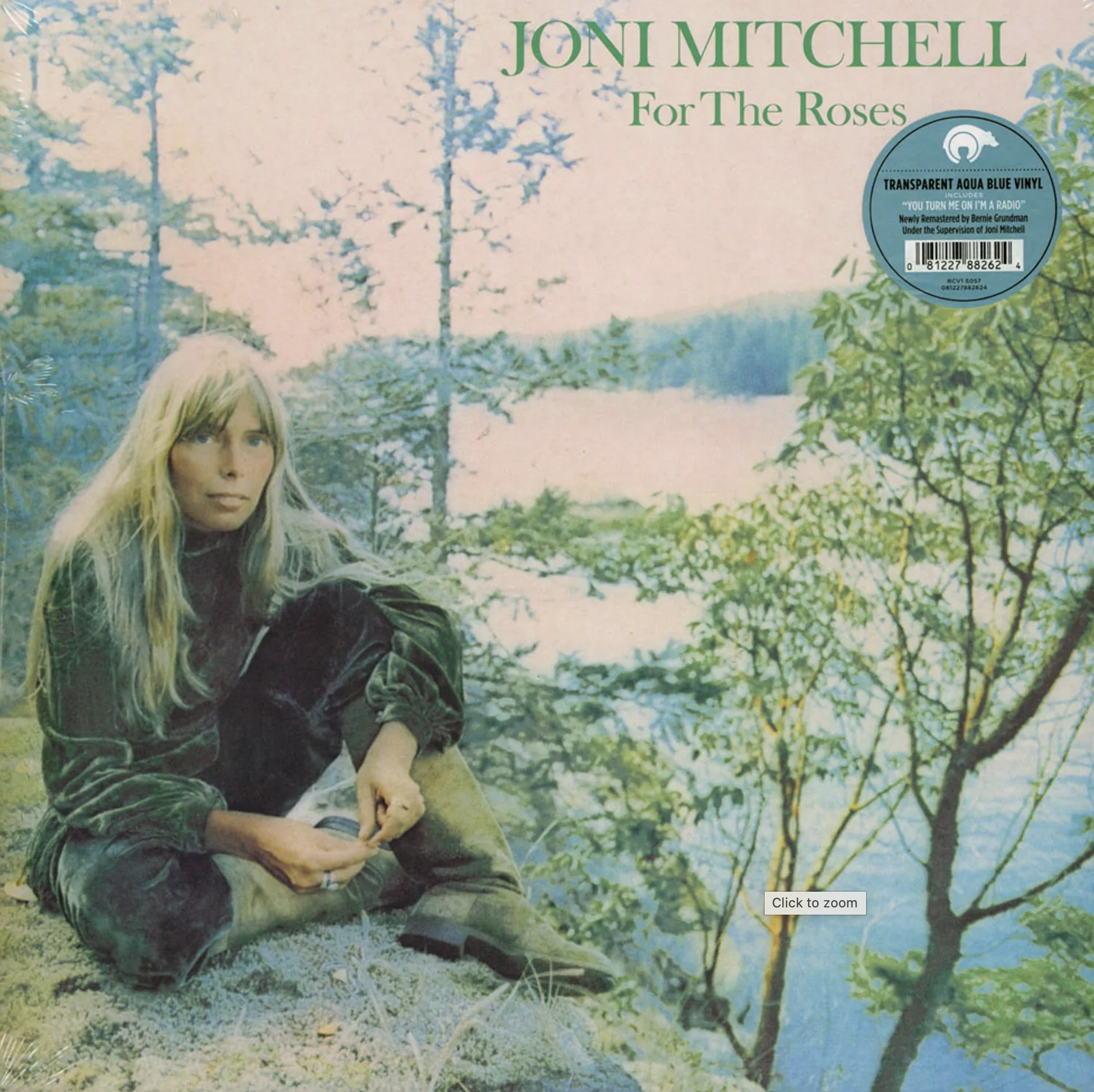
In his second year in High School he took a photography class from a wonderful teacher who was a feminist and who conducted class in the round. He fell in love with the medium and joined the yearbook photography staff which was guided by another feminist mentor, who also happened to be a lesbian. That year he bought his first LPs, David Bowie “Diamond Dogs”, Rufus featuring Chaka Khan, and Joni Mitchell’s “For the Roses.”
He built a small darkroom in a walk-in closet in his parents’ basement so he could develop film and make prints when the school darkroom was closed for the day and on weekends. He was hooked and hasn’t stopped photographing since, almost incessantly.
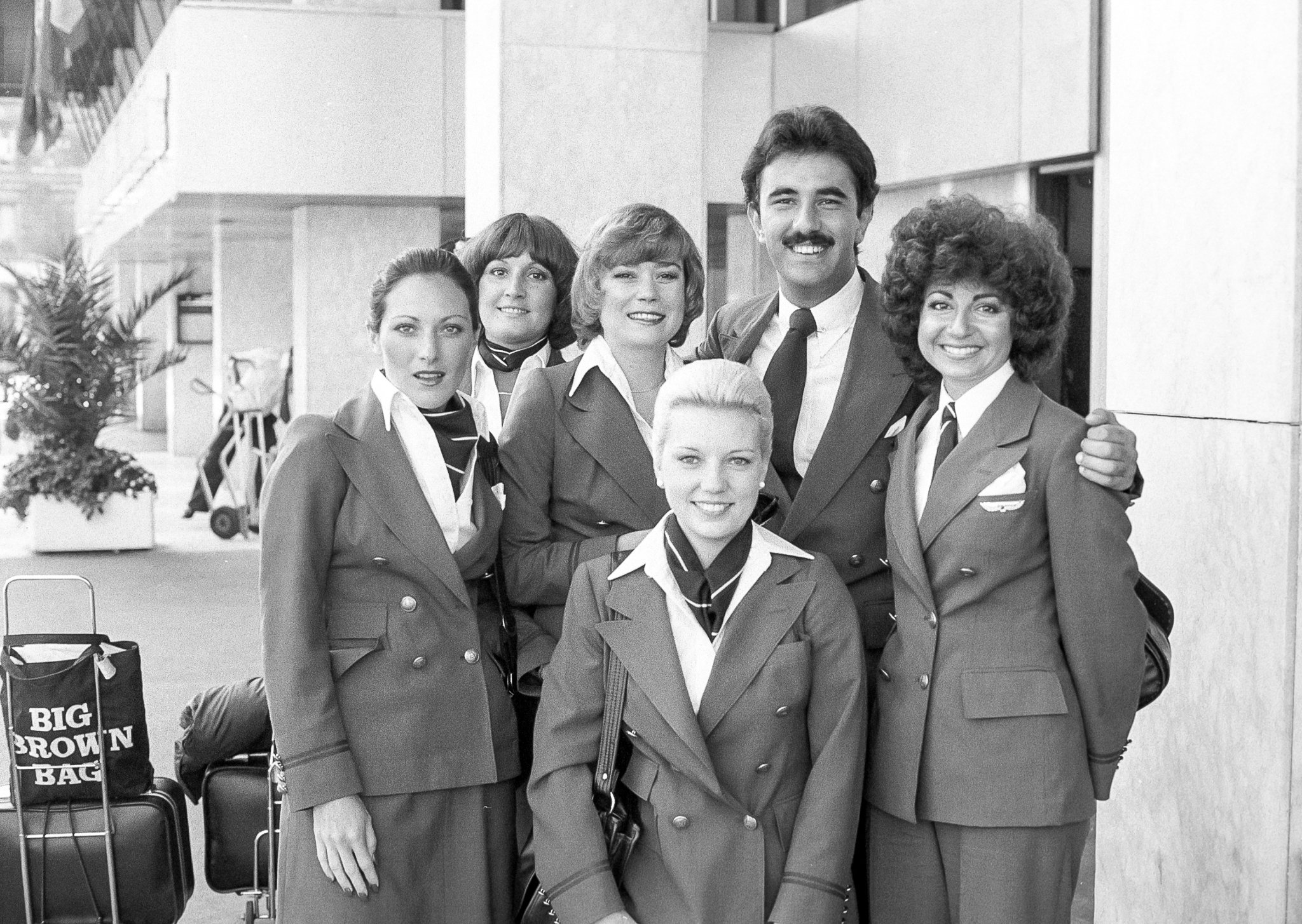
In 1976, at age 18, he became a naturalized citizen of the United States of America. He left home to go live in Chicago, where he became an International Flight Attendant for TWA, combining his love of travel with his passion for photography.
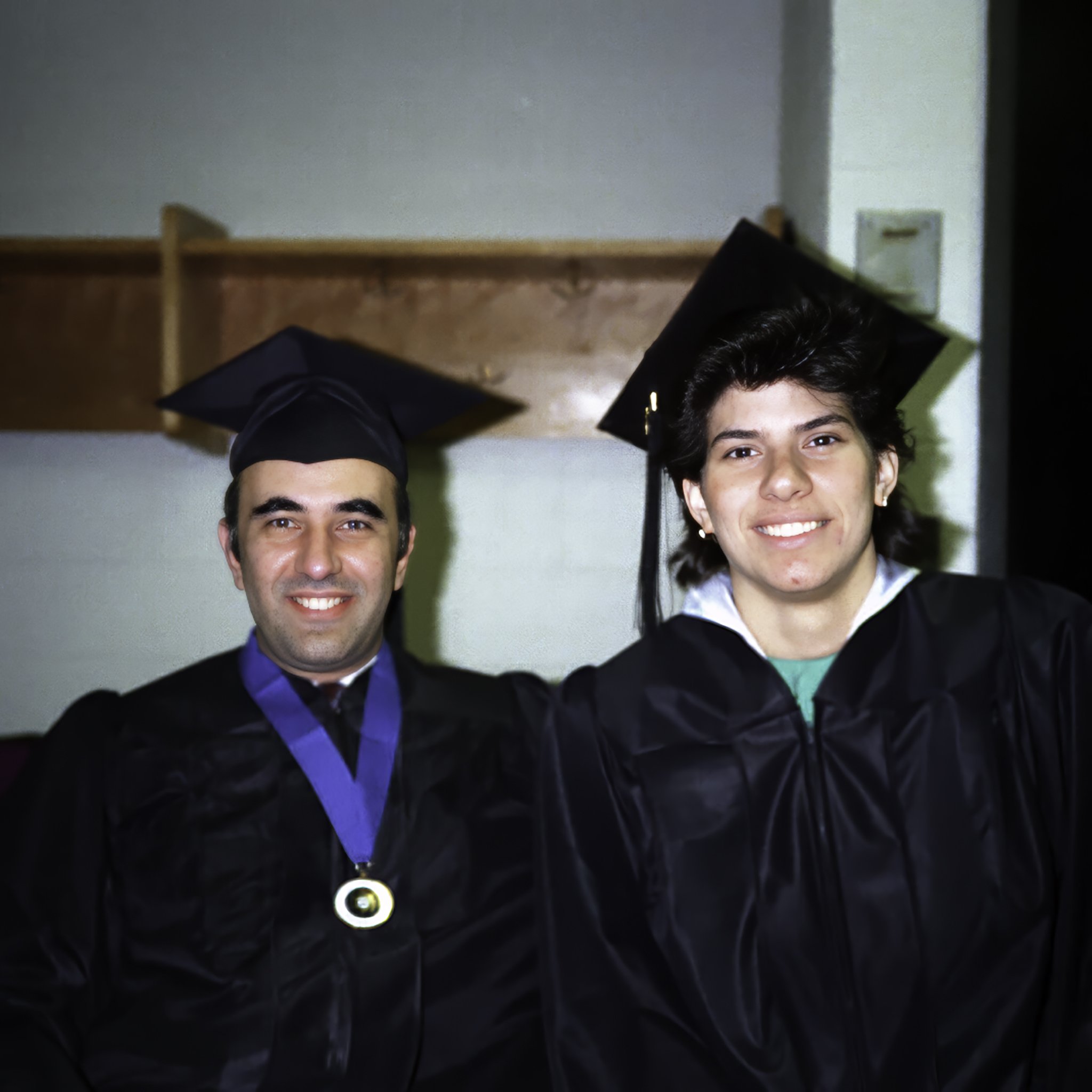
A decade later, after a devastating worker strike against the airline, he moved to Rochester, NY to attend the Rochester Institute of Technology where he consequently became the recipient of Eastman Kodak Company’s very first full scholarship to a student of photography.
Upon graduation, cum Magna Laude, Kodak offered him a job in their Marketing Education Center, where he taught photographic techniques to the company’s sales force and to various groups of customers.
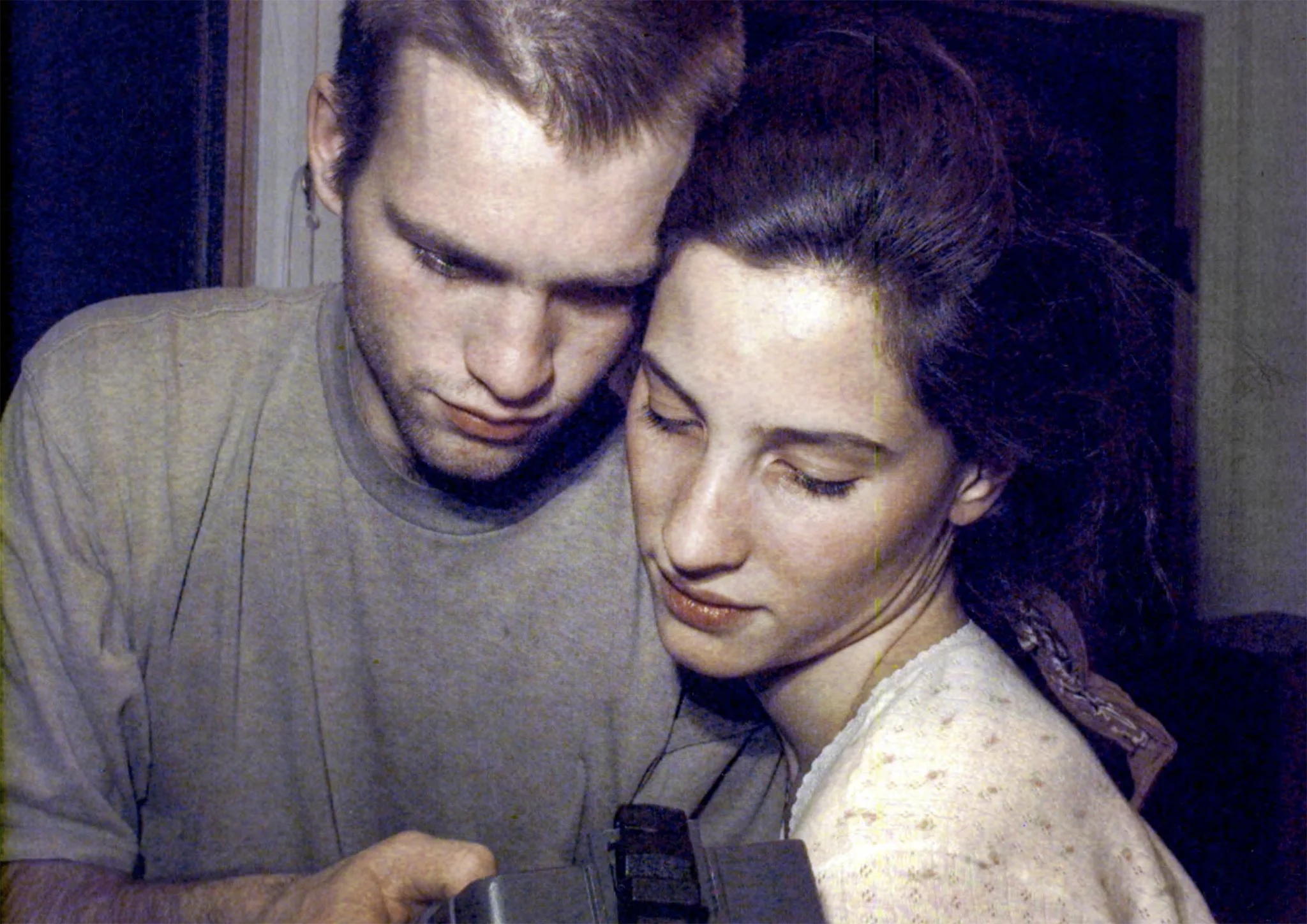
One day in 1990, he received a call from an engineer who asked him if he would be willing to test a secret prototype of what would become the very first commercially feasible digital camera. As a result, he would become the first photographer to capture digital photographs, in the same vein of his practice to date, photographing his every day life and his friends. Below is the very first digital photograph taken in the real world, of my friends Jörg and Céline.
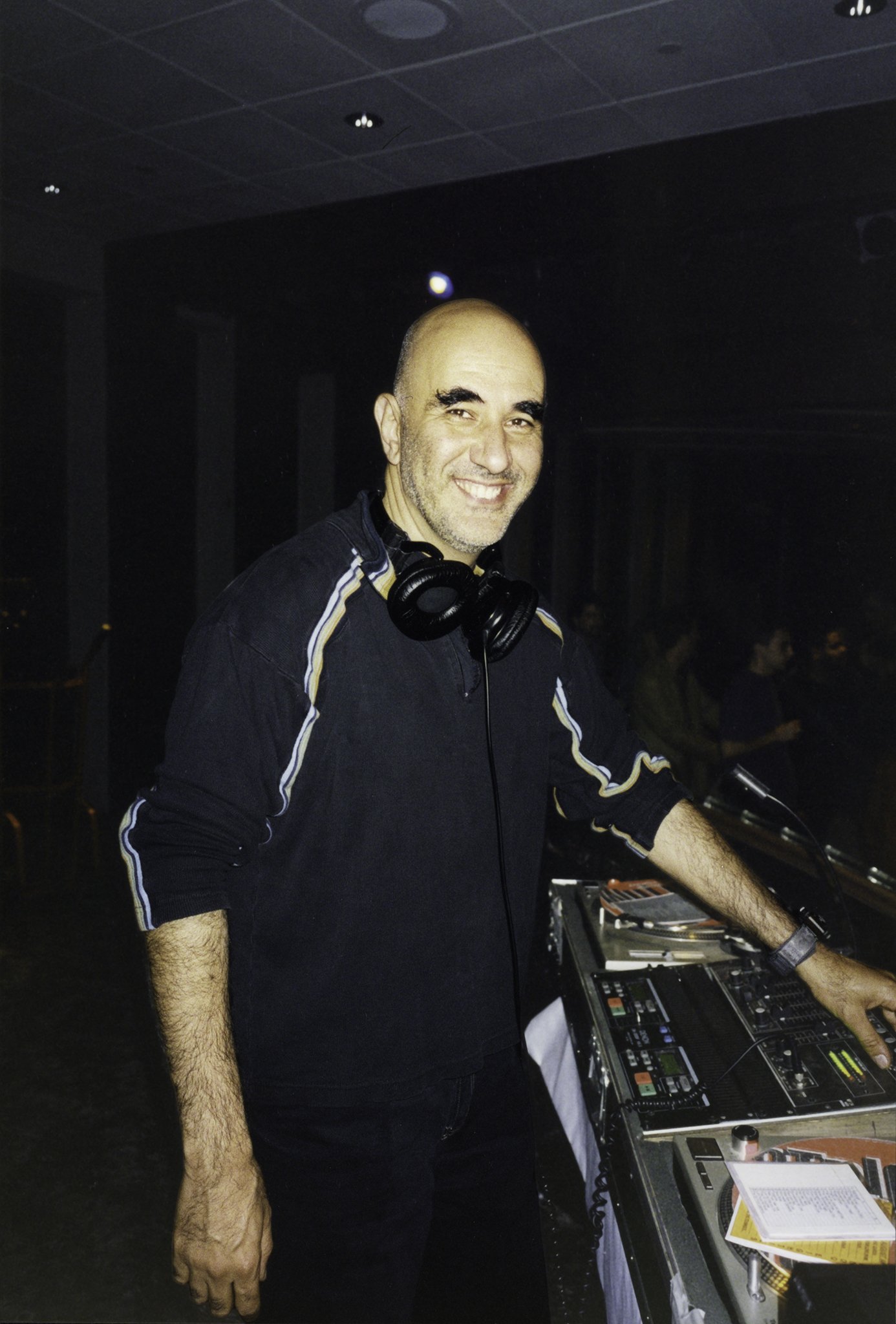
In 1996 he resigned from his corporate job to devote even more time to photography and to become a DJ at various bars in Greenwich Village. He was eventually invited to be the resident DJ at the Greatest Bar on Earth on the 107th Floor of One World Trade Center. His successful internationally renowned weekly gig of almost five years ended with the destruction of the Twin Towers on September 11, 2001.
What is AMQ?
While working at Kodak, I had unfettered access to one of the most incredible photographic labs in the world, housing the latest in both analog and digital technologies. I was encouraged by my manager to shoot and print as much as I wanted, so I could master all of the products and impart that knowledge to the consuming public via publications and seminars.
Having that experience under my belt, I began to digitize my negatives and chromes as early as 1993, tagging every image with as much metadata as possible. Today my archive includes around one and a half million still photographs in all formats, both analog and digital.
EarIy on, I had to decide what unique filename to give each image and opted for something chronological and informative. For the analog photographs, it would be Year Month Date - Roll Number - Frame Number - Place - type.
For example, if in a single day I use six rolls of film in New York City, three color negative and three black and white, say January 15, 1985 the first frame on the first roll would be 850115-01-01-NYC-fs (fs for film strip color, bw for black and white). NYC has its own designation as I have photographed so much in my home city.
For the rest of the archive, the three letter designation usually represents a country, but when it came to the United States, and particularly for slide film, I opted to use AMQ, leaving USA for the color negative film, so as to distinguish the two which are organized and filed in different systems and locations.
AM for America, and Q for, well, Cute. It was a whimsical way to represent my documentation of this country which I got to experience from coast to coast as a Flight Attendant, and later criss crossed, evangelizing Kodak technologies giving me access to so many otherwise inaccessible places and events.
Many of the photographs I selected (from 1976 to 2001), I conjured up from memory in constructing this narrative of a remarkable country, a true melting pot of cultures and rituals, both formal and candid. A narrative that is somewhat nostalgic as so much has changed since.
In my practice I never intentionally sought out to document “diversity” per se, as I had started long before the term became an integral part of the political and social jargon. I just let my lens and my curiosity guide me in different directions, some of which I had to seek out and others were simply in my backyard. In the end, looking at this oeuvre as it began to take shape, I couldn’t help but confirm the beauty and the necessity of a fundamental environment that allows individuals to think and act freely, to choose and be (to the best of their ability) what they want to be.
Throughout my independent career I had the occasional impulse to earn a living as a photographer and dipped my toes in various industries, but every time I opted out as I wanted to safeguard my passion for photography and not treat it as a “job.” Instead, my life has consisted of a stream of SELF ASSIGNMENTs where I could pursue any subject I felt curious about, and relegated moneymaking to various other freelance opportunities