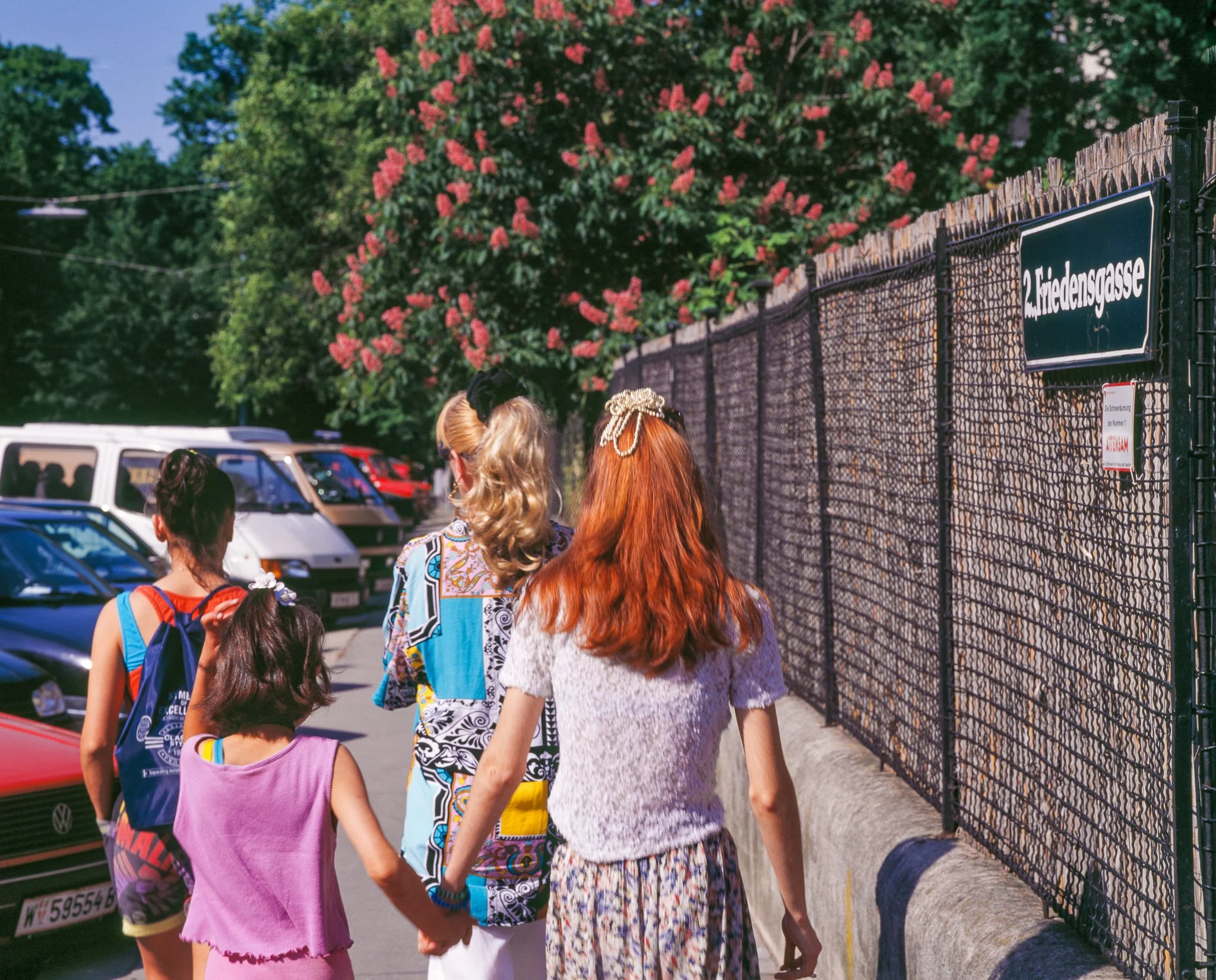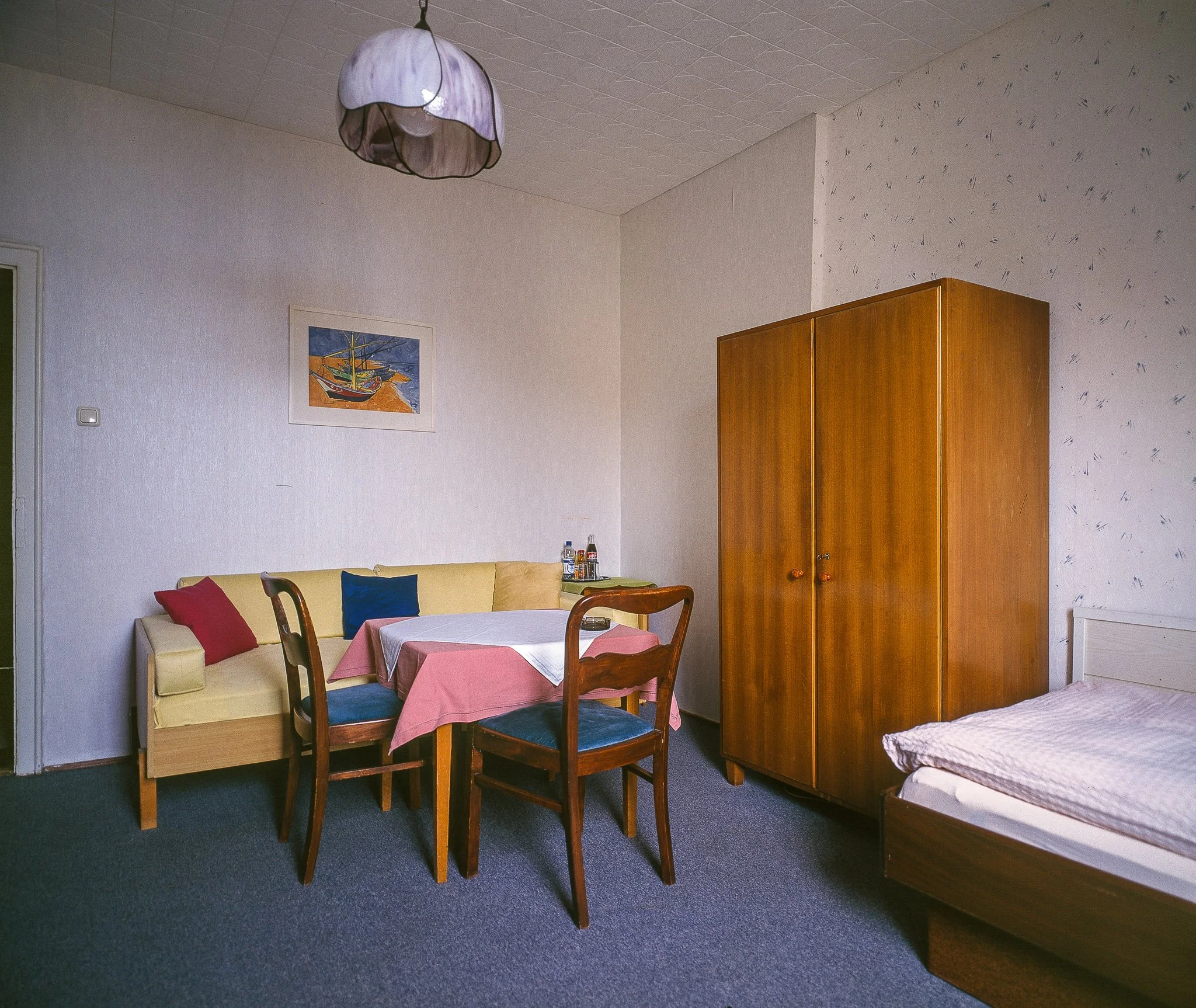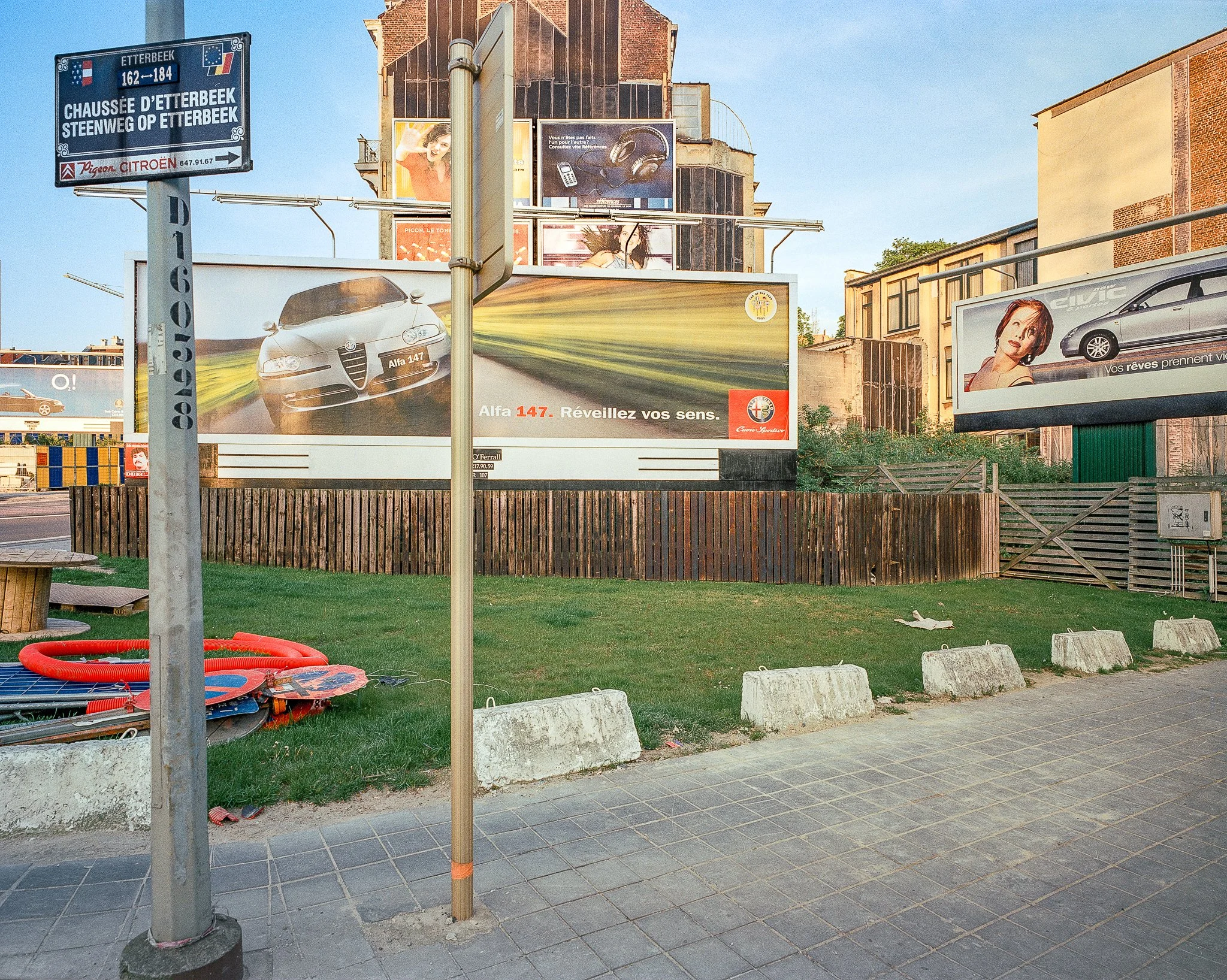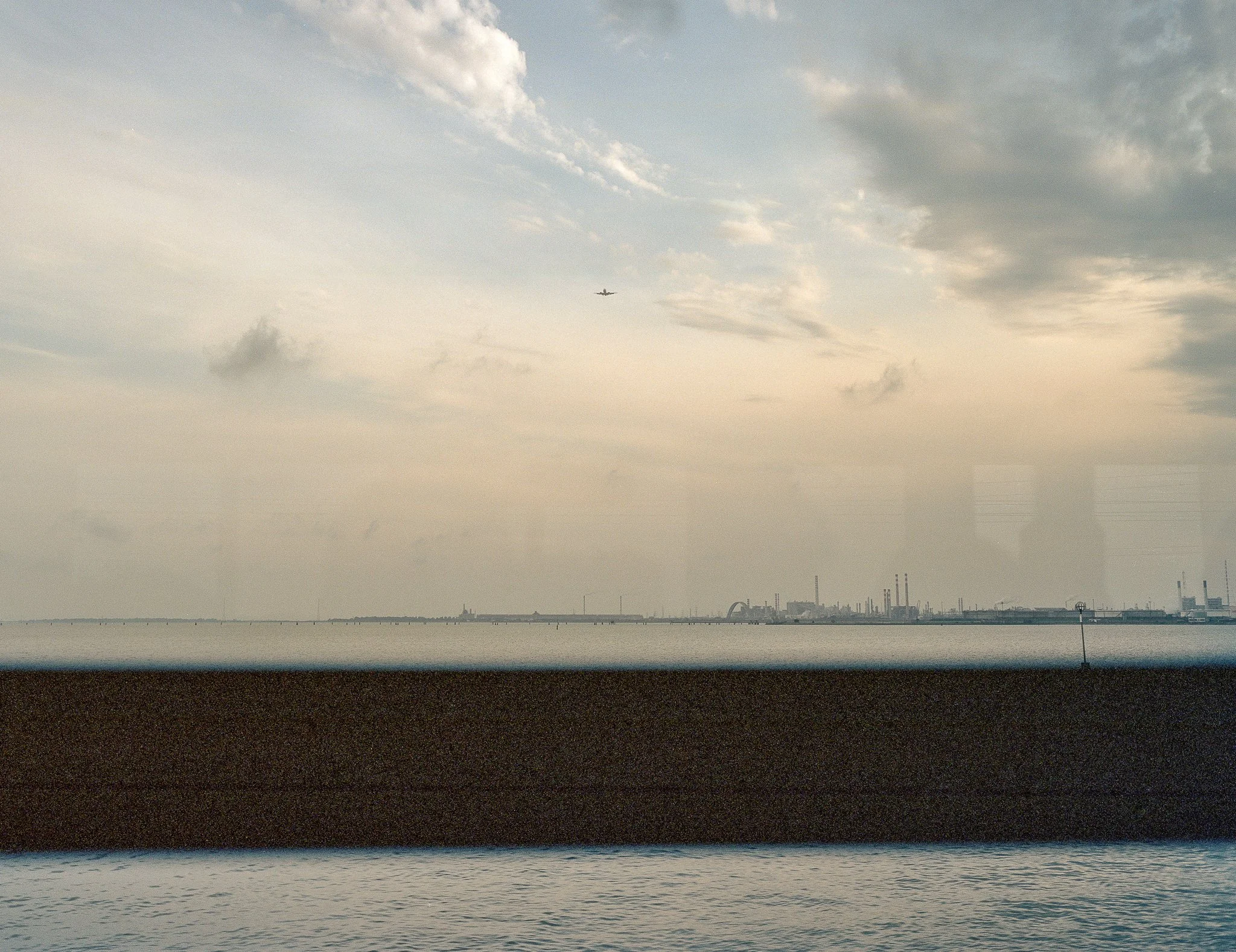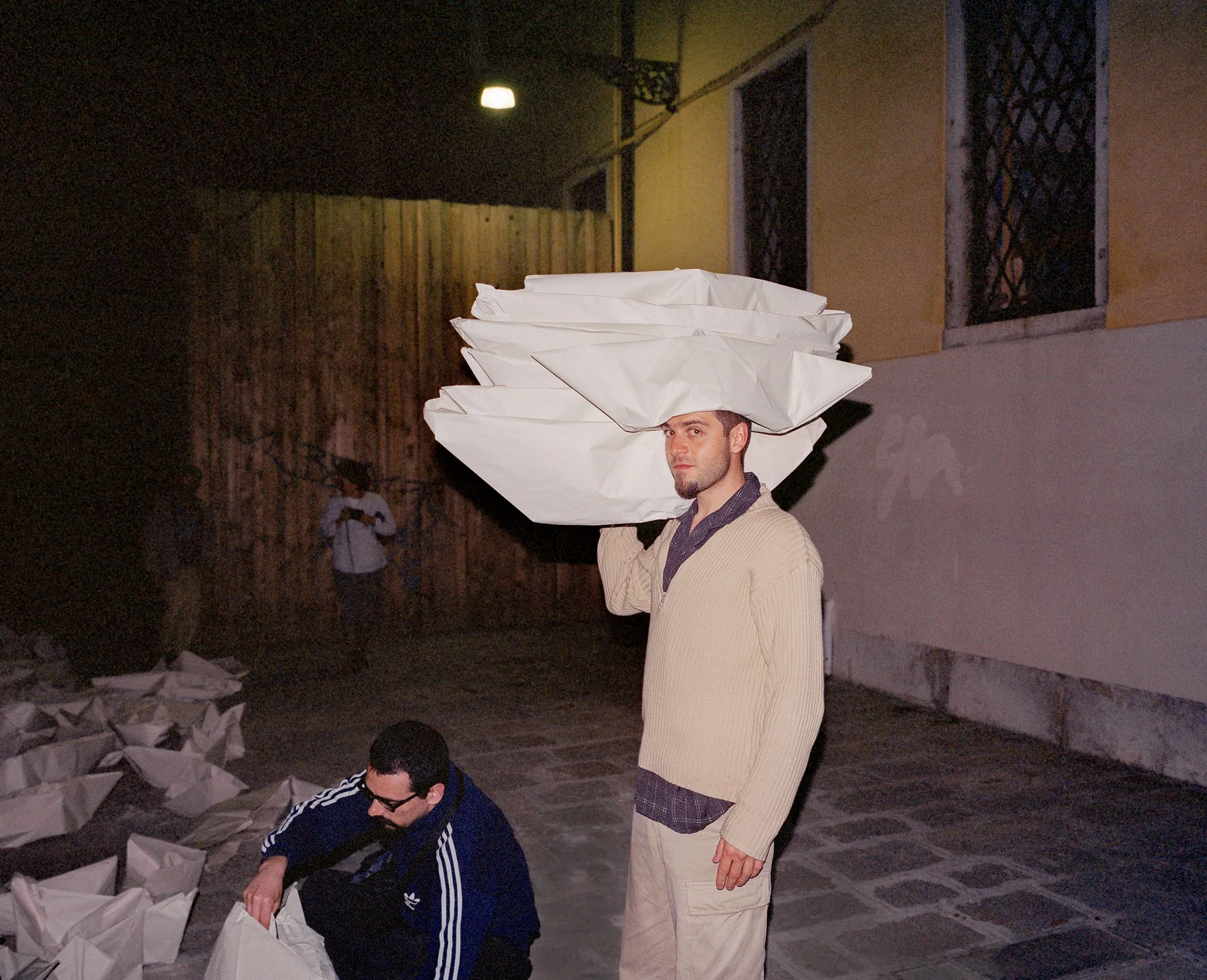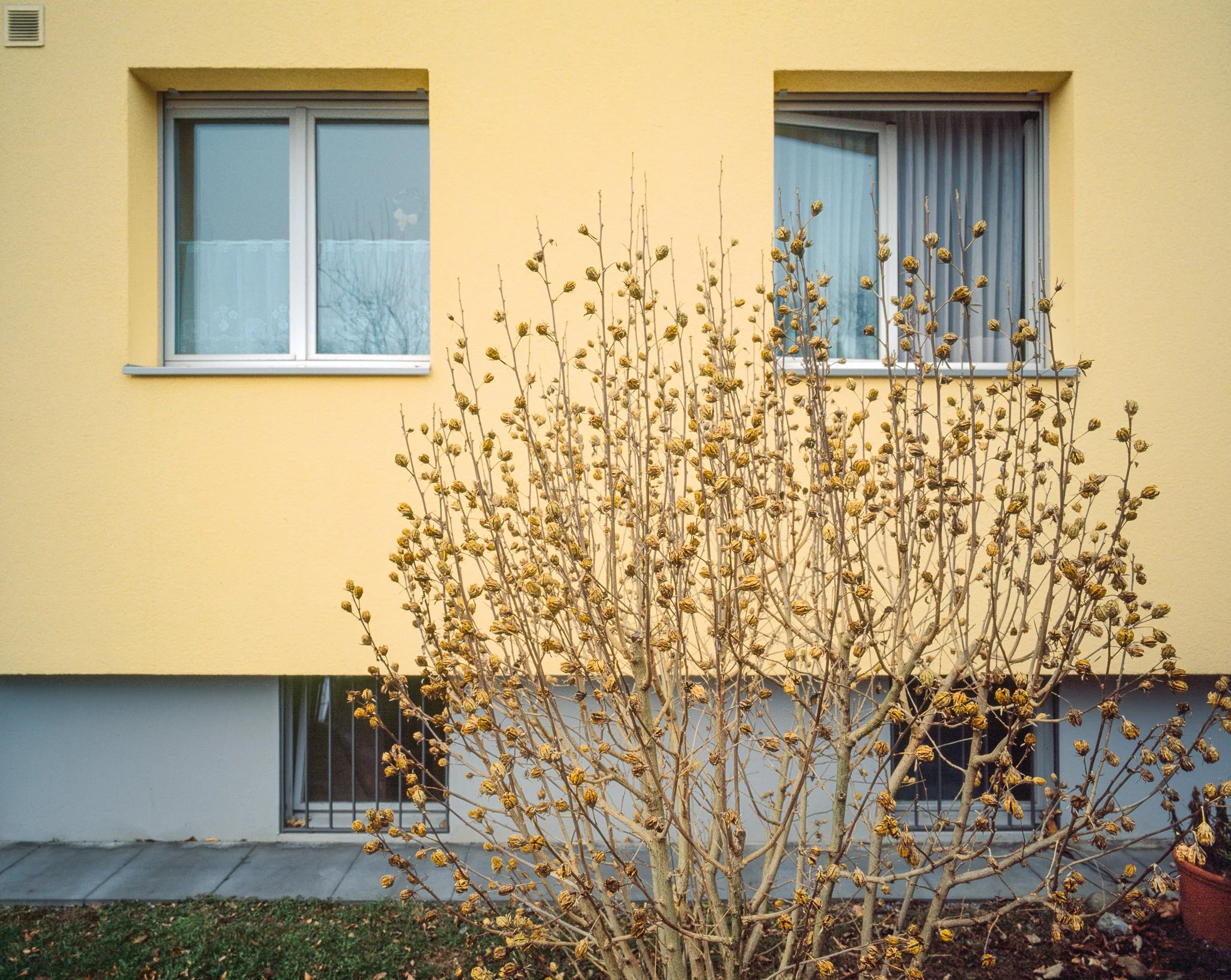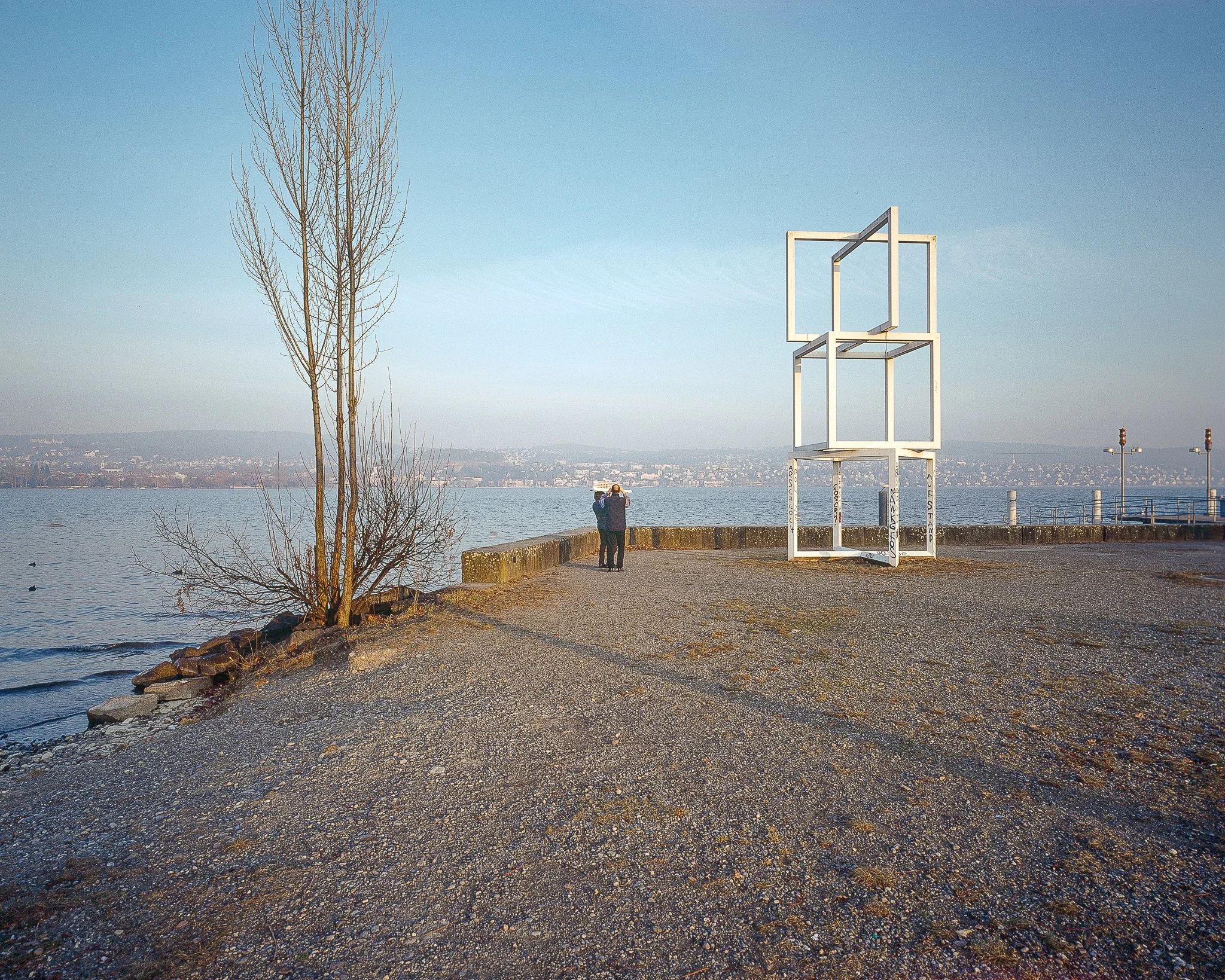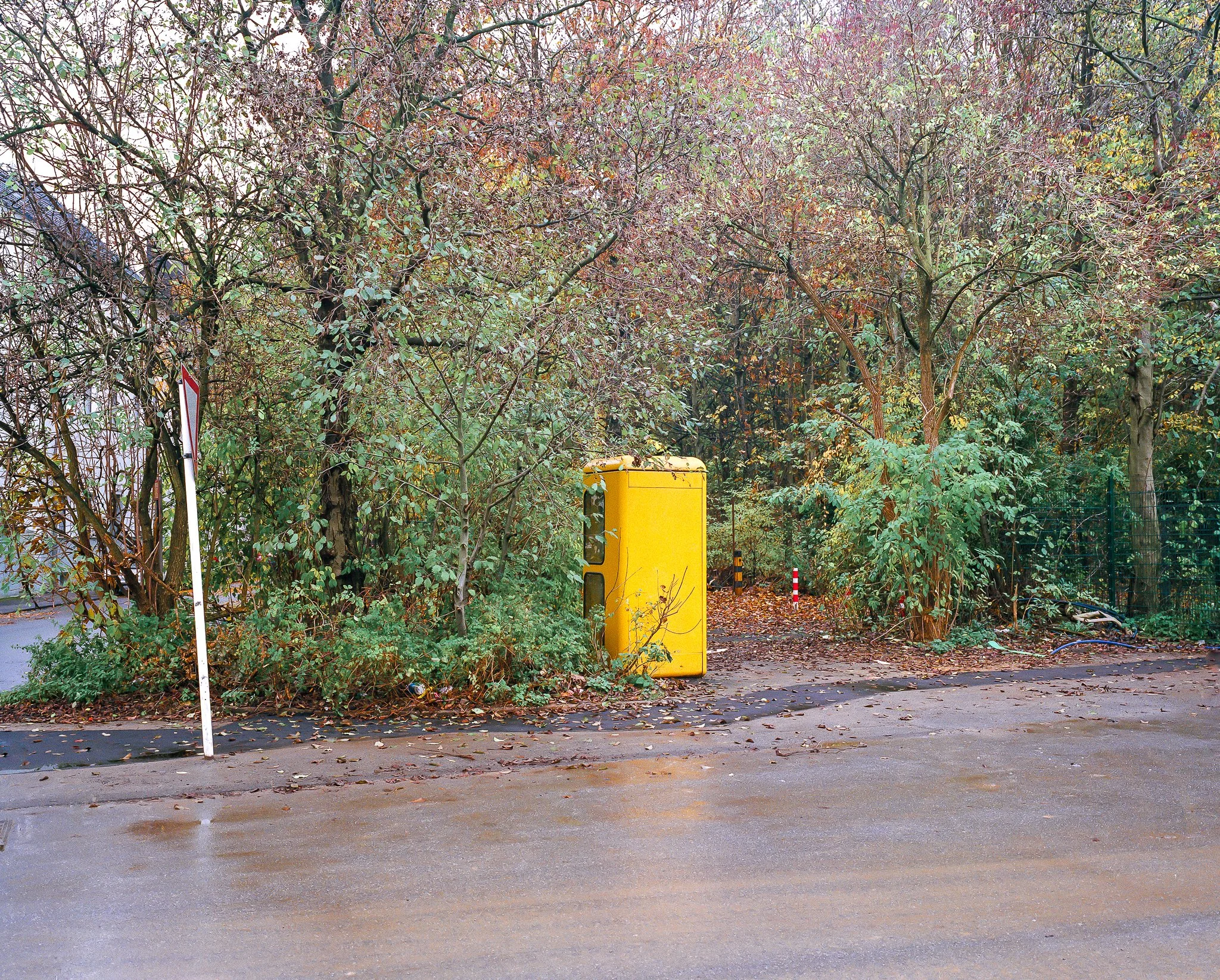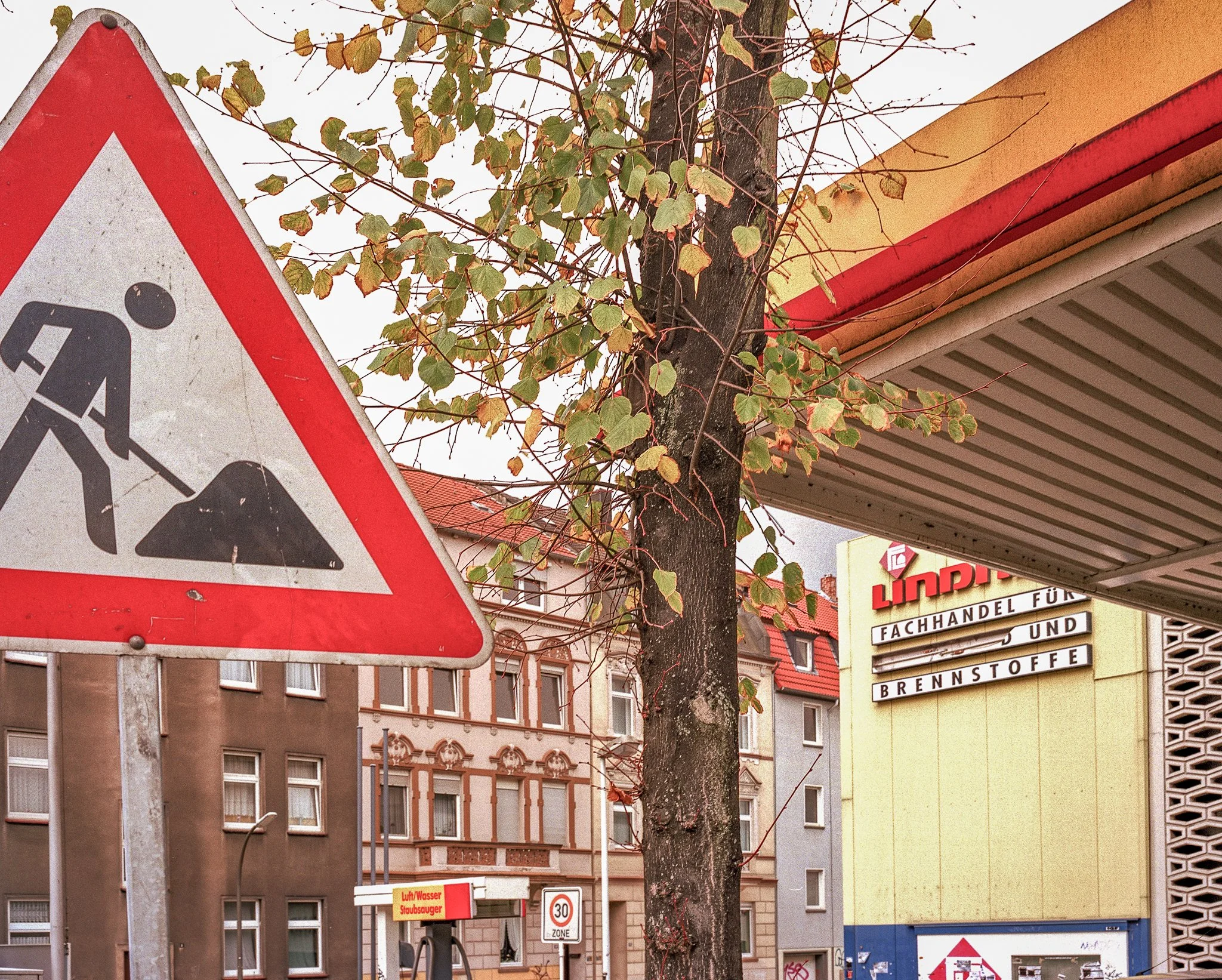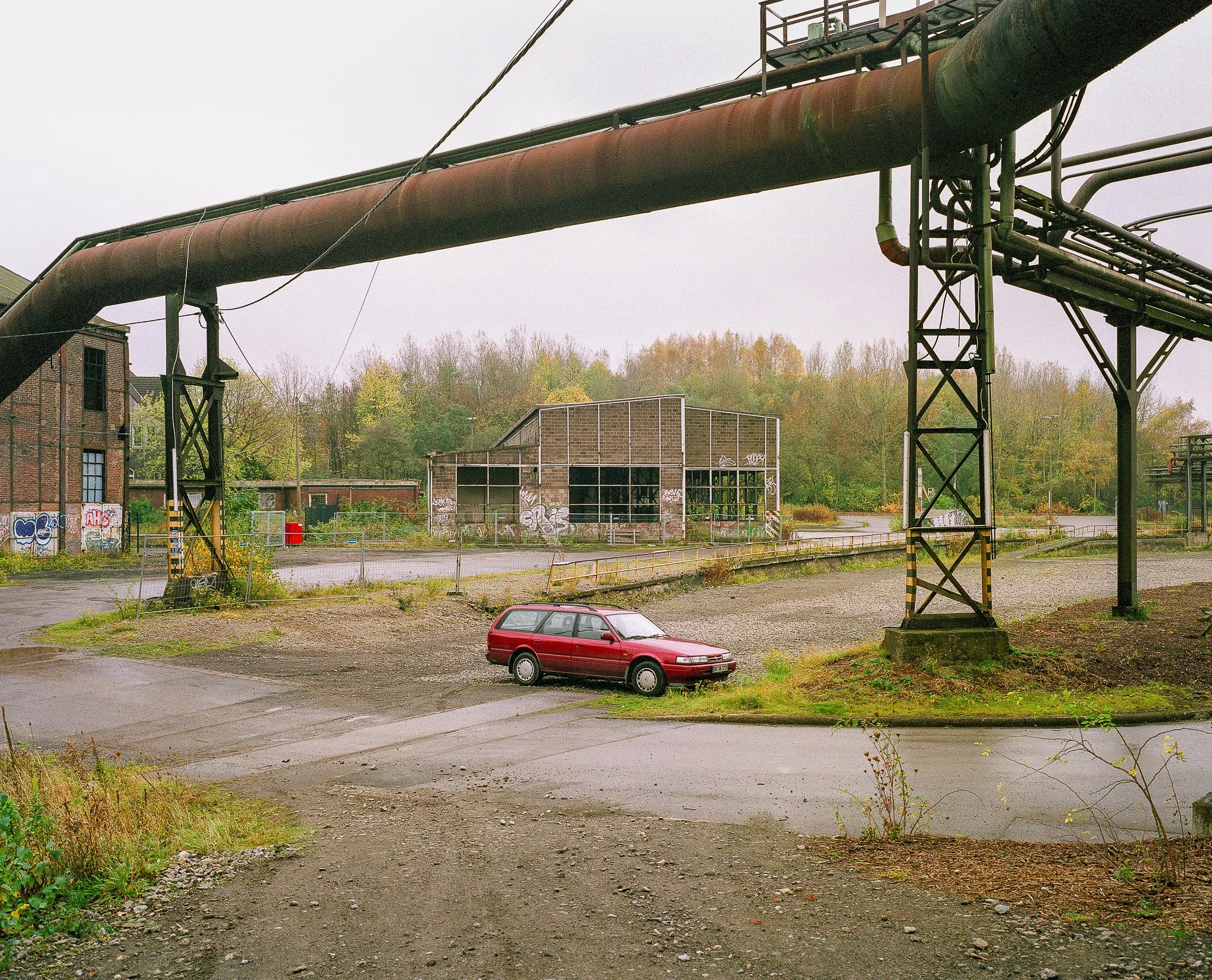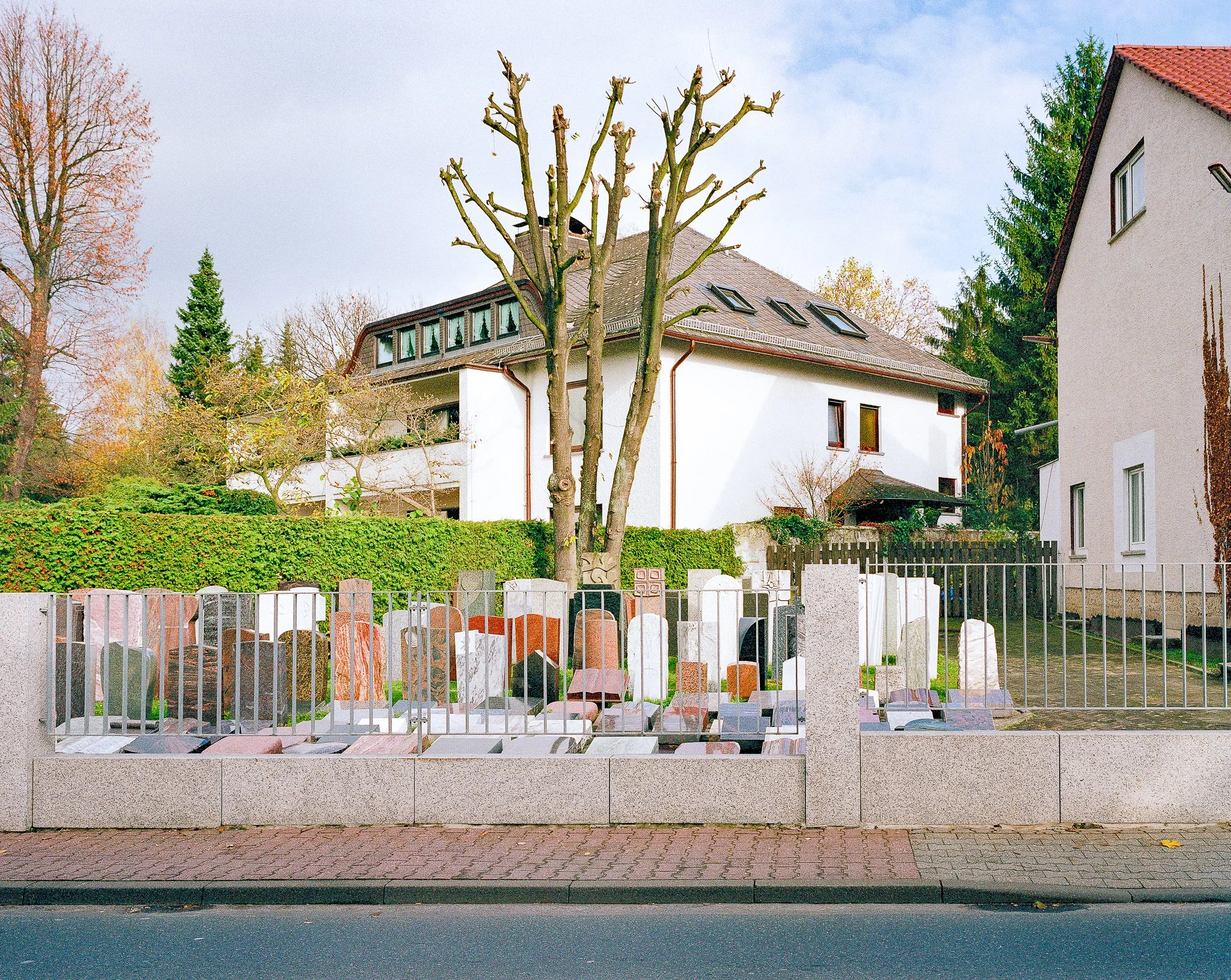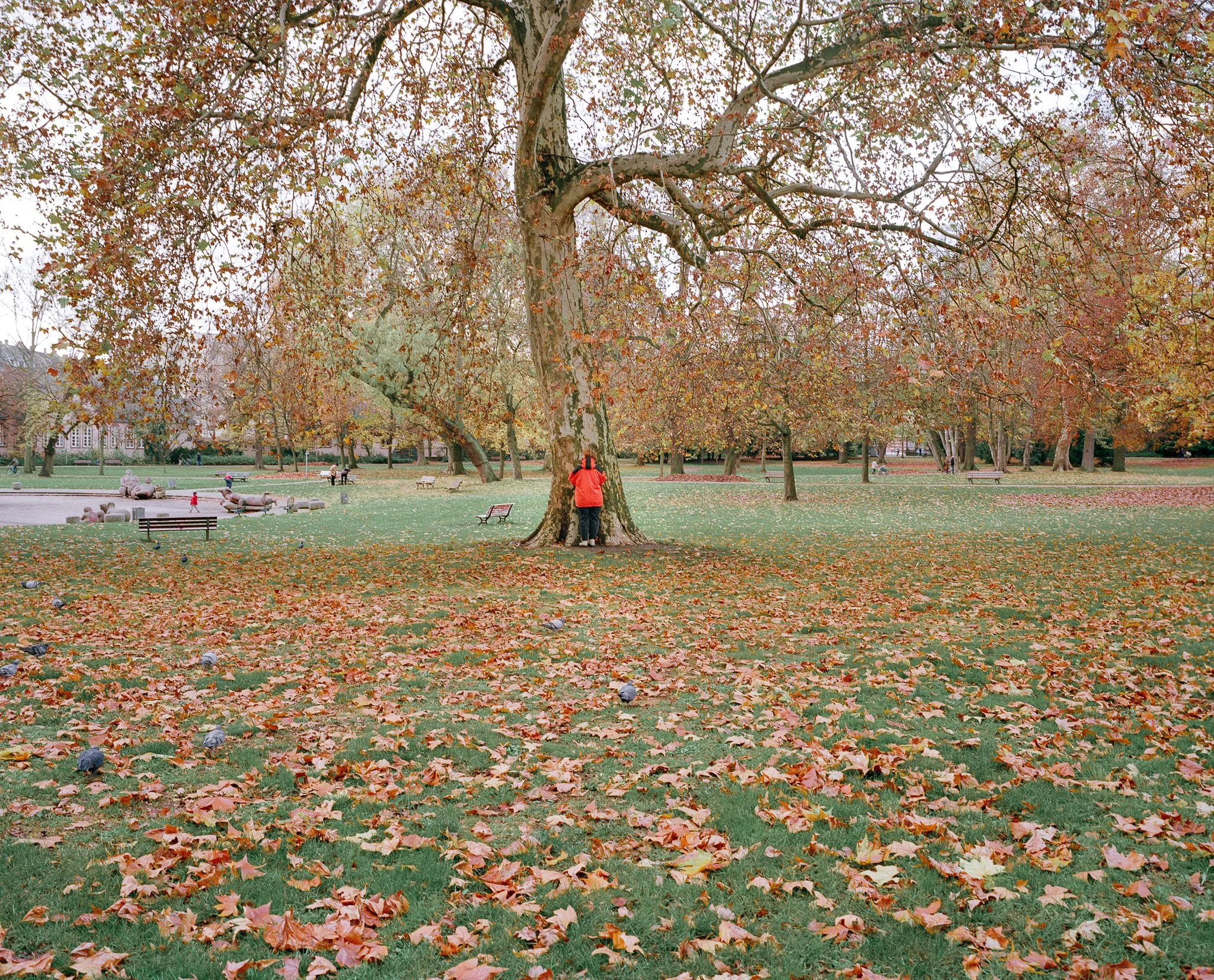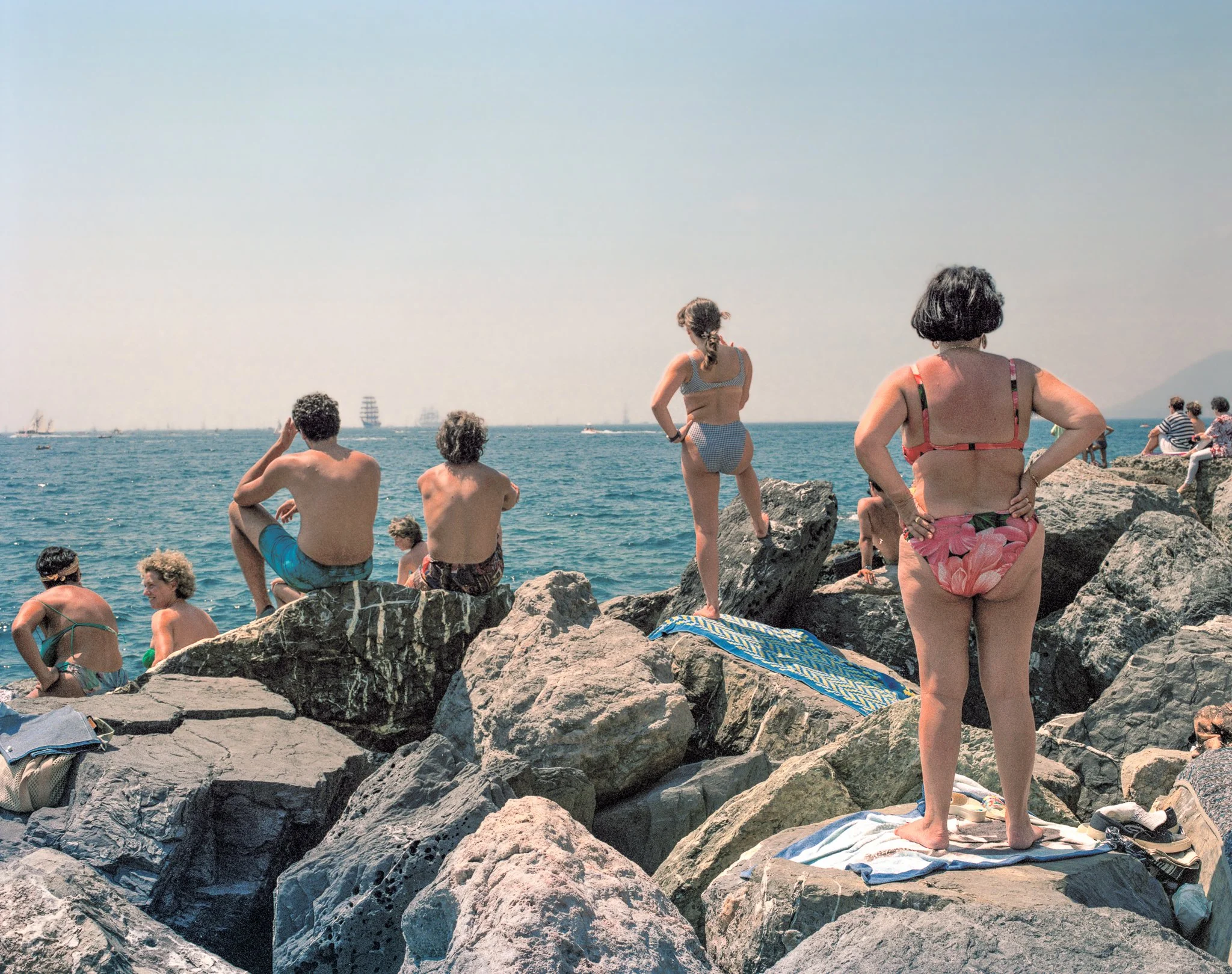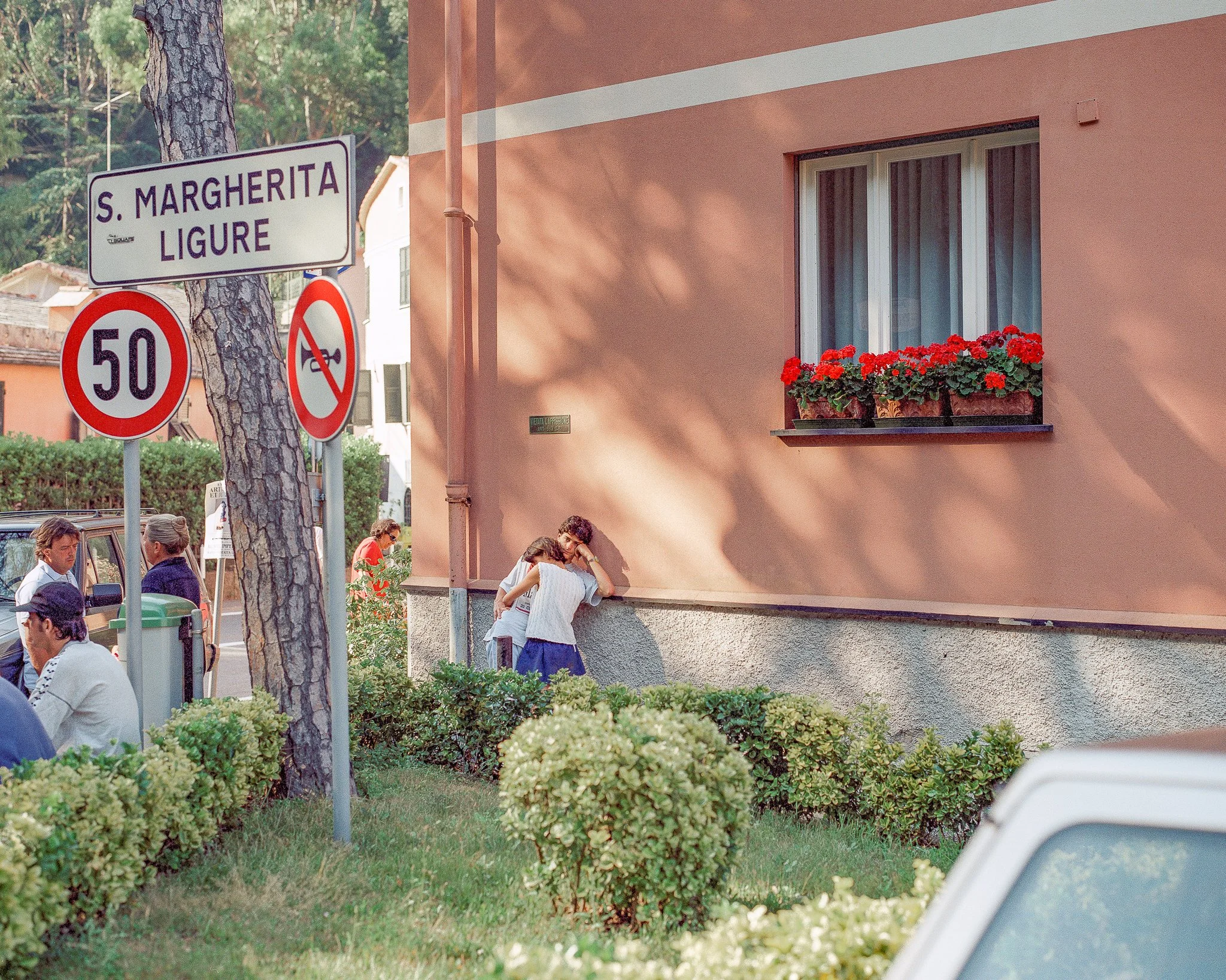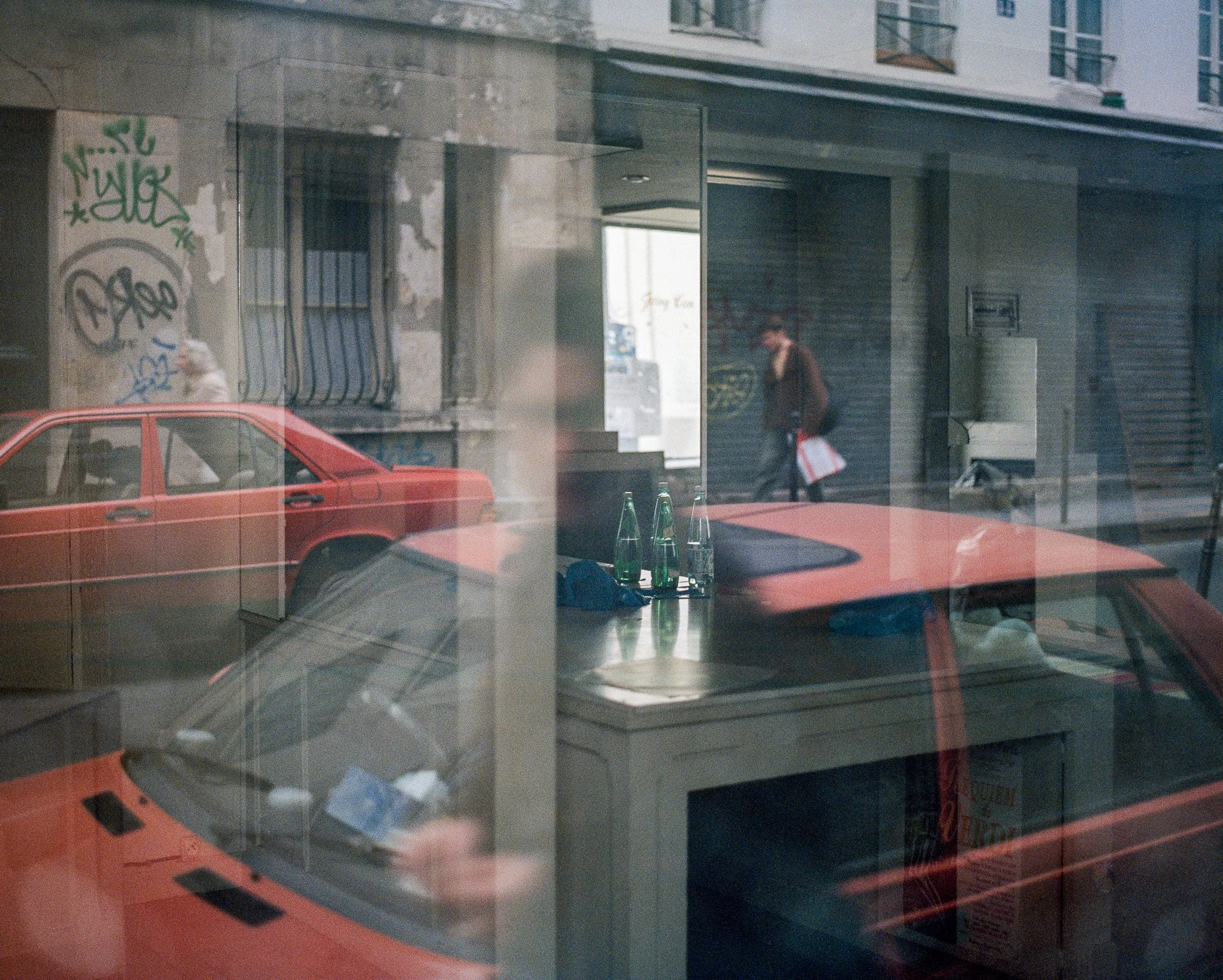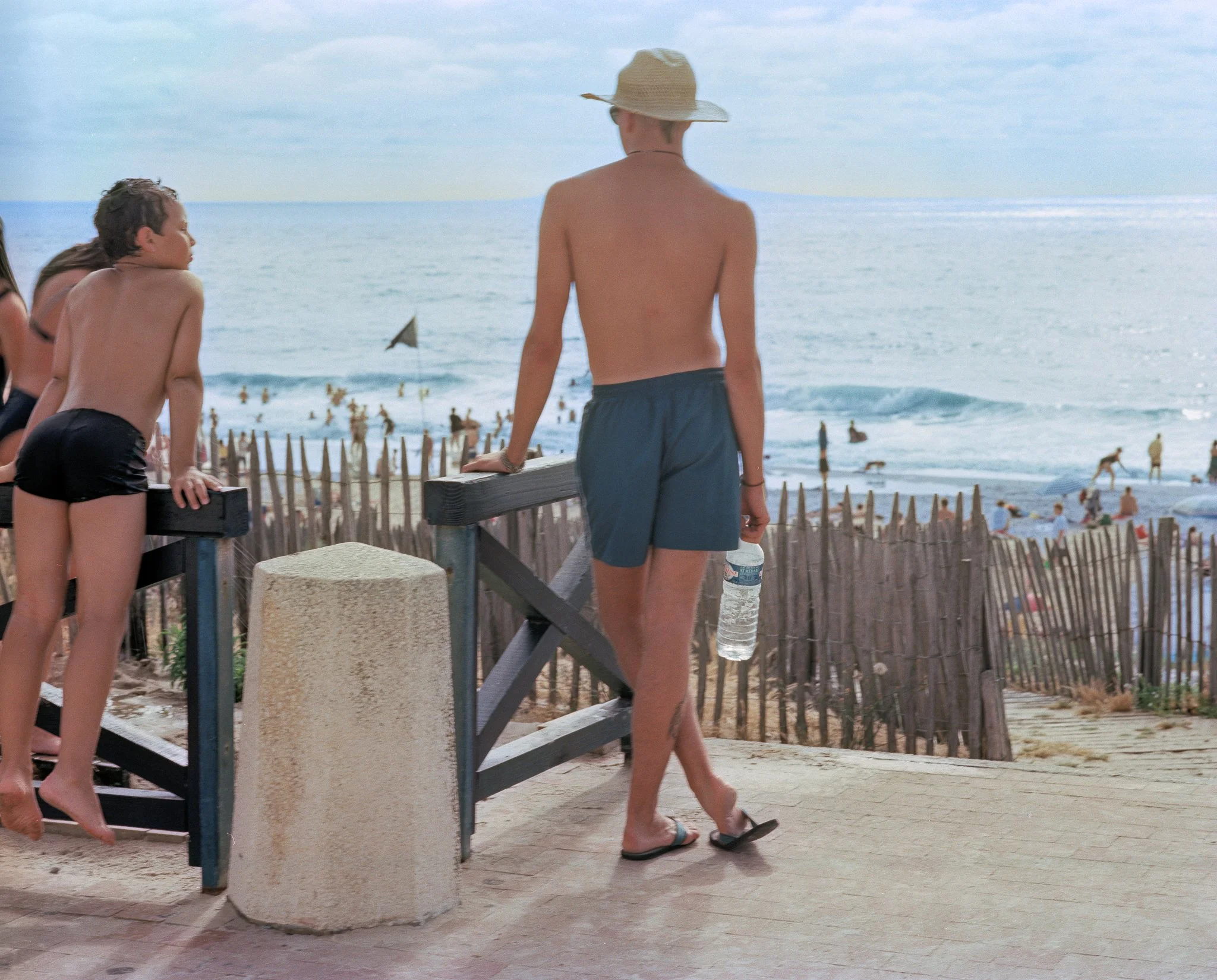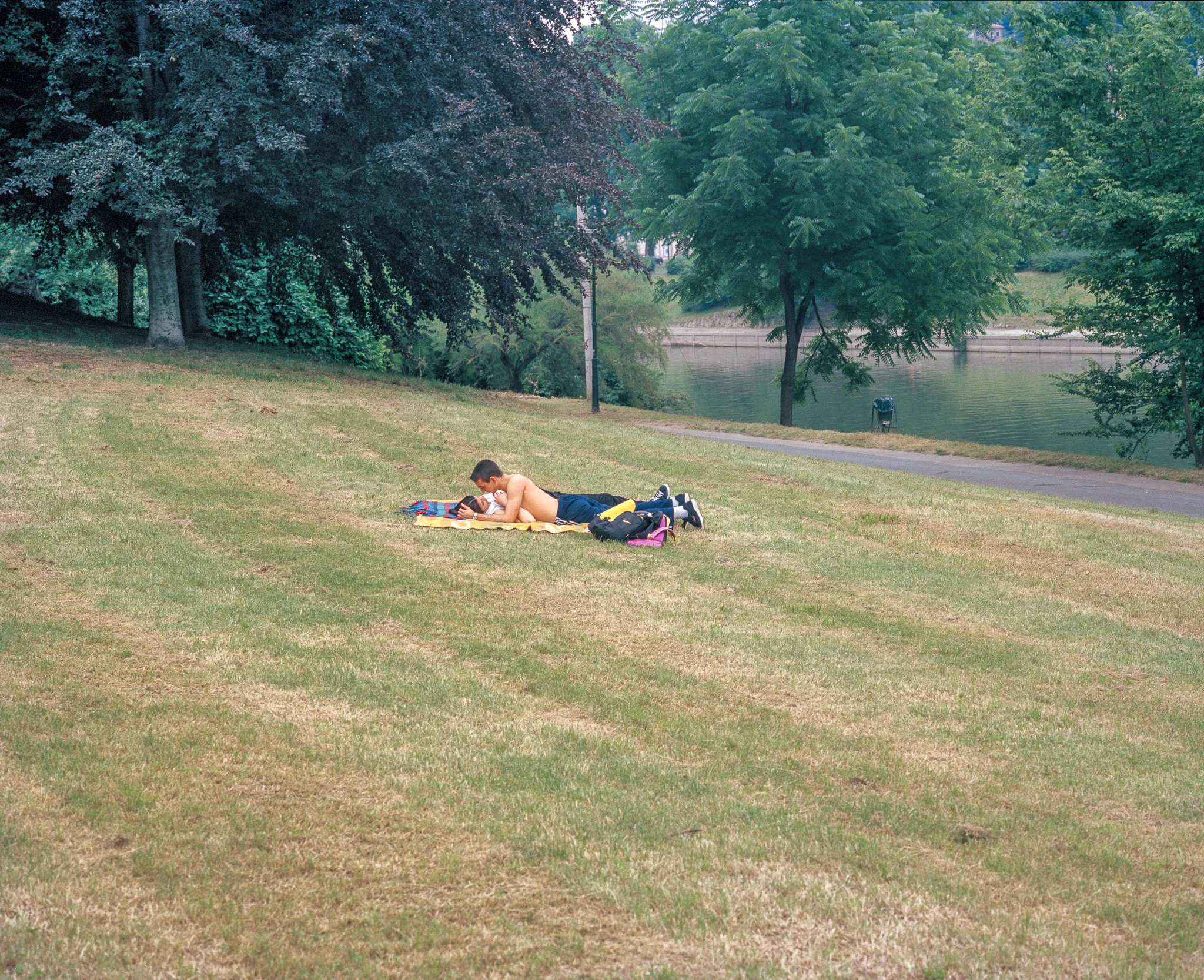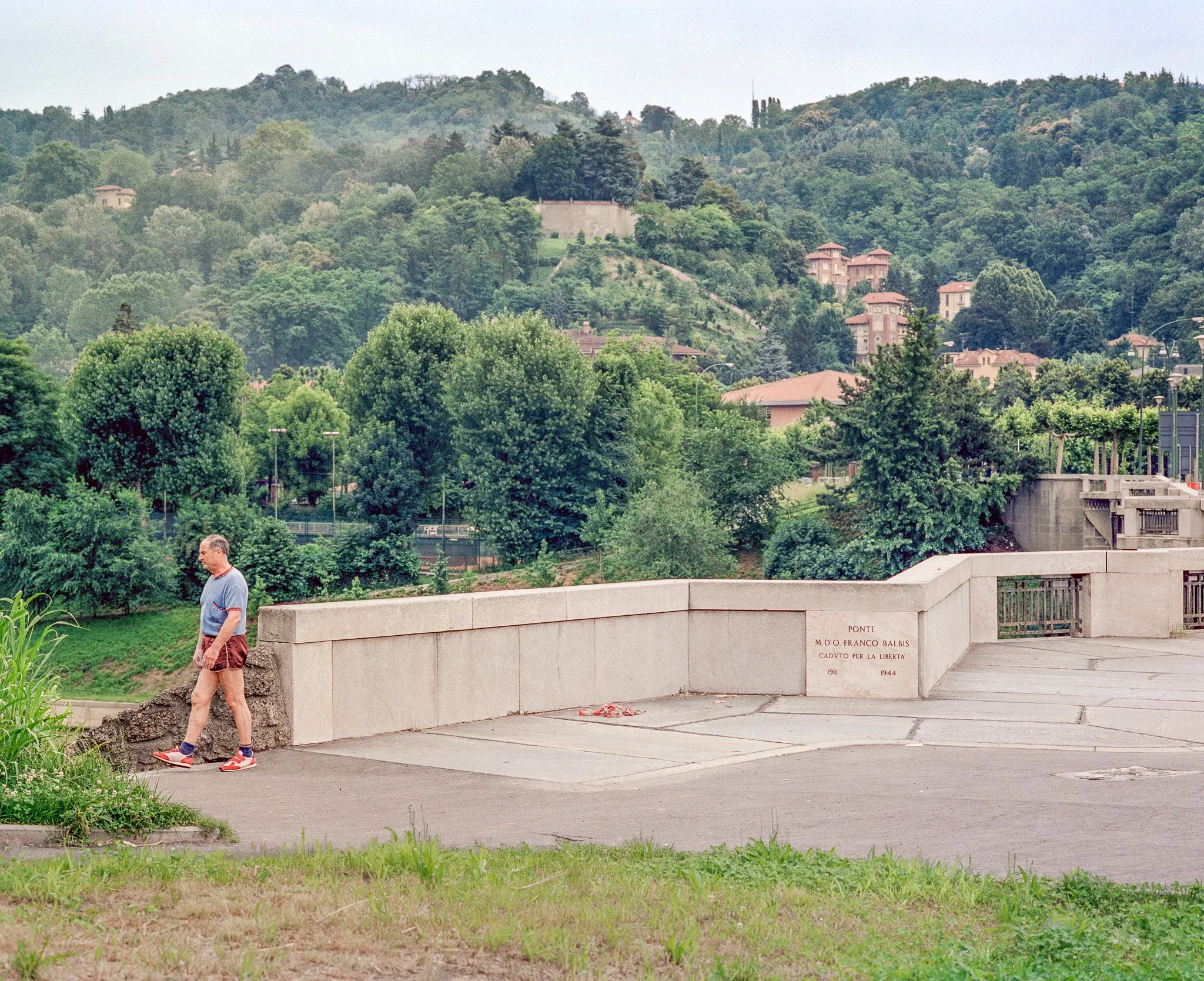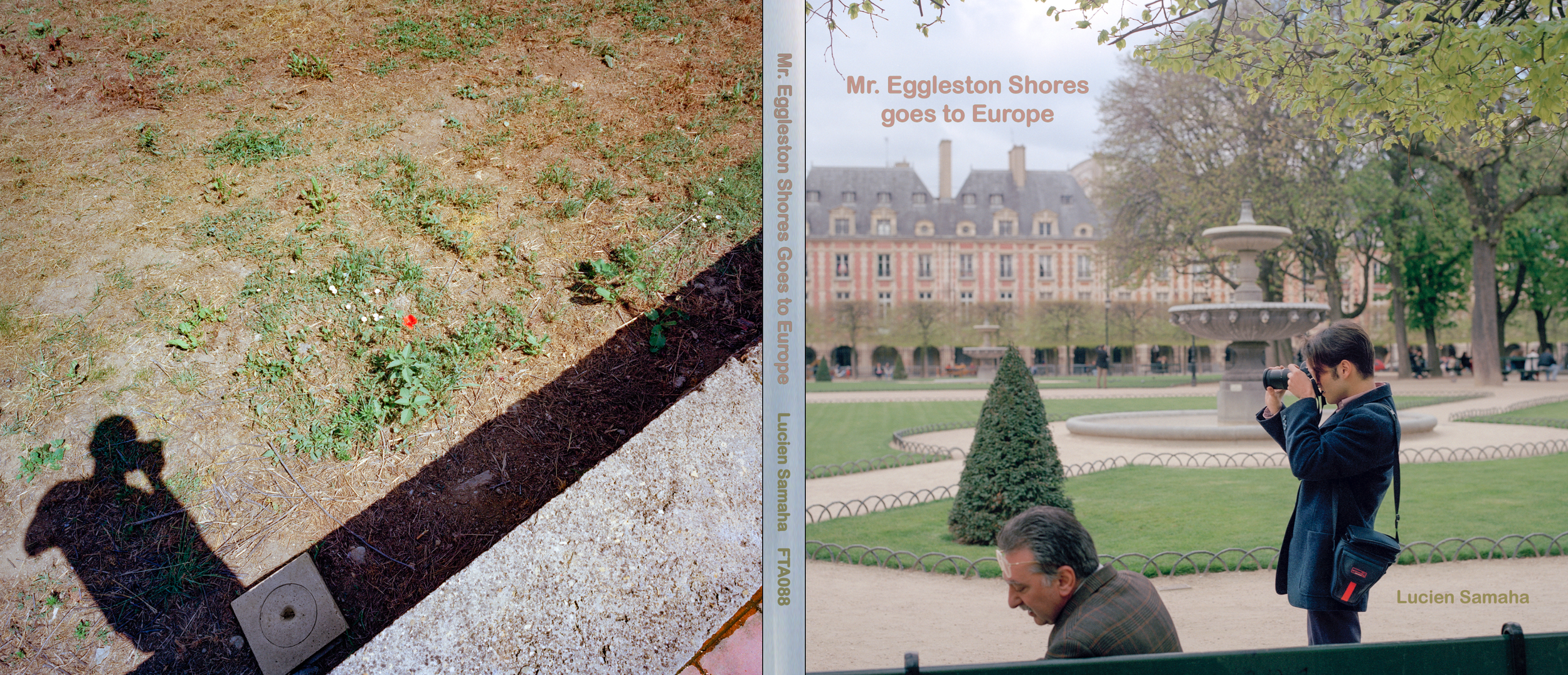
Shot with a Mamiya 7 on 120mm Kodak
Color Negative FilmSome of the current discourse in art and in photography involves some rage against artificial intelligence with accusations that it is plagiarism; somehow stealing images and ideas that are already in the public sphere and using them as building blocks for new imagery.
This may be legitimate, but it ignores the age old concepts of influence, inspiration, and even homage. Many of the greatest masters in art had students and disciples who wanted to be taught and their processes influenced.
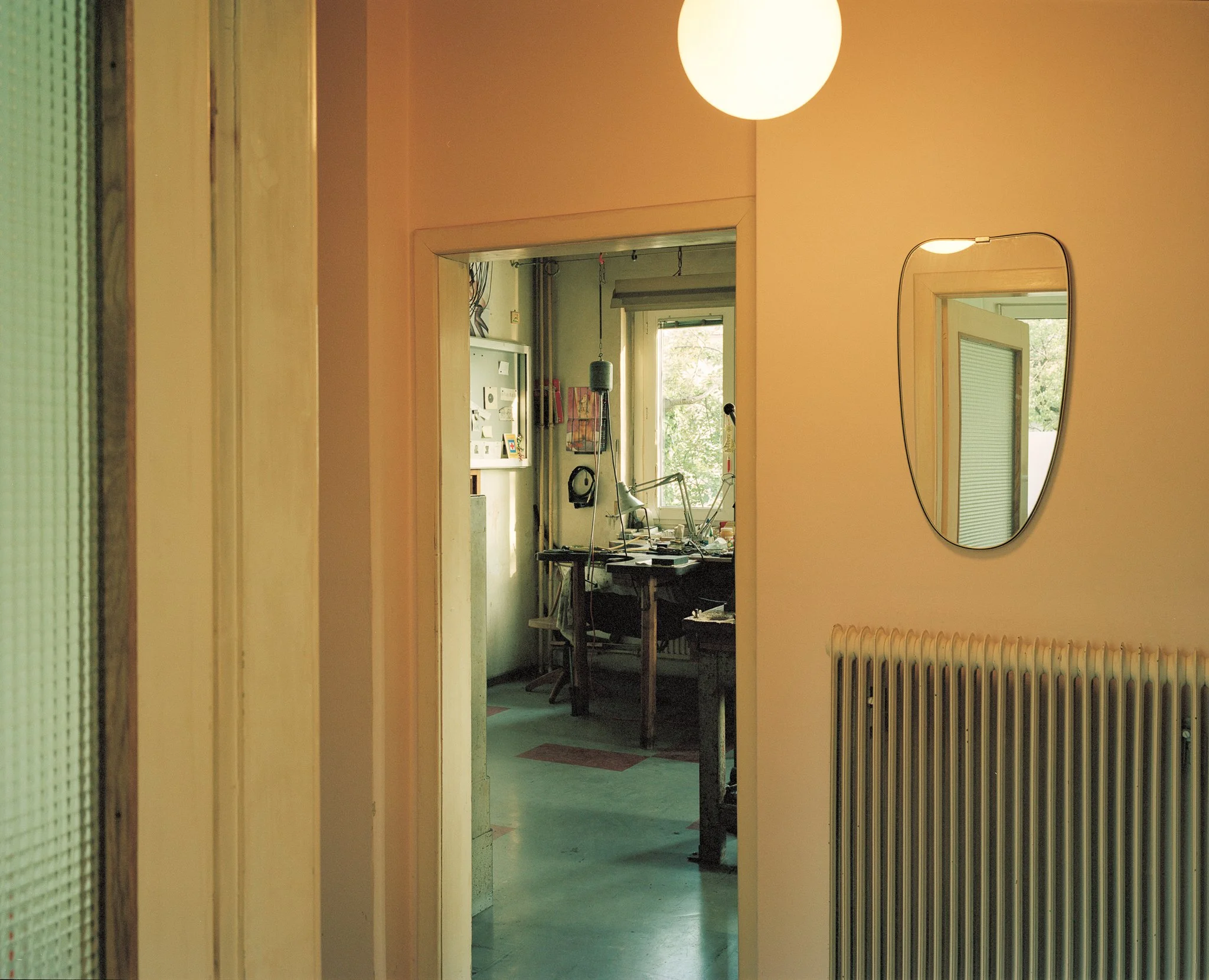
Other than having taken a basic photography and printing class in high school, back in 1974, I consider myself pretty much self-taught, but of course not without being guided along the way with what I saw in books, magazines, galleries and museums, and even in public advertisements.
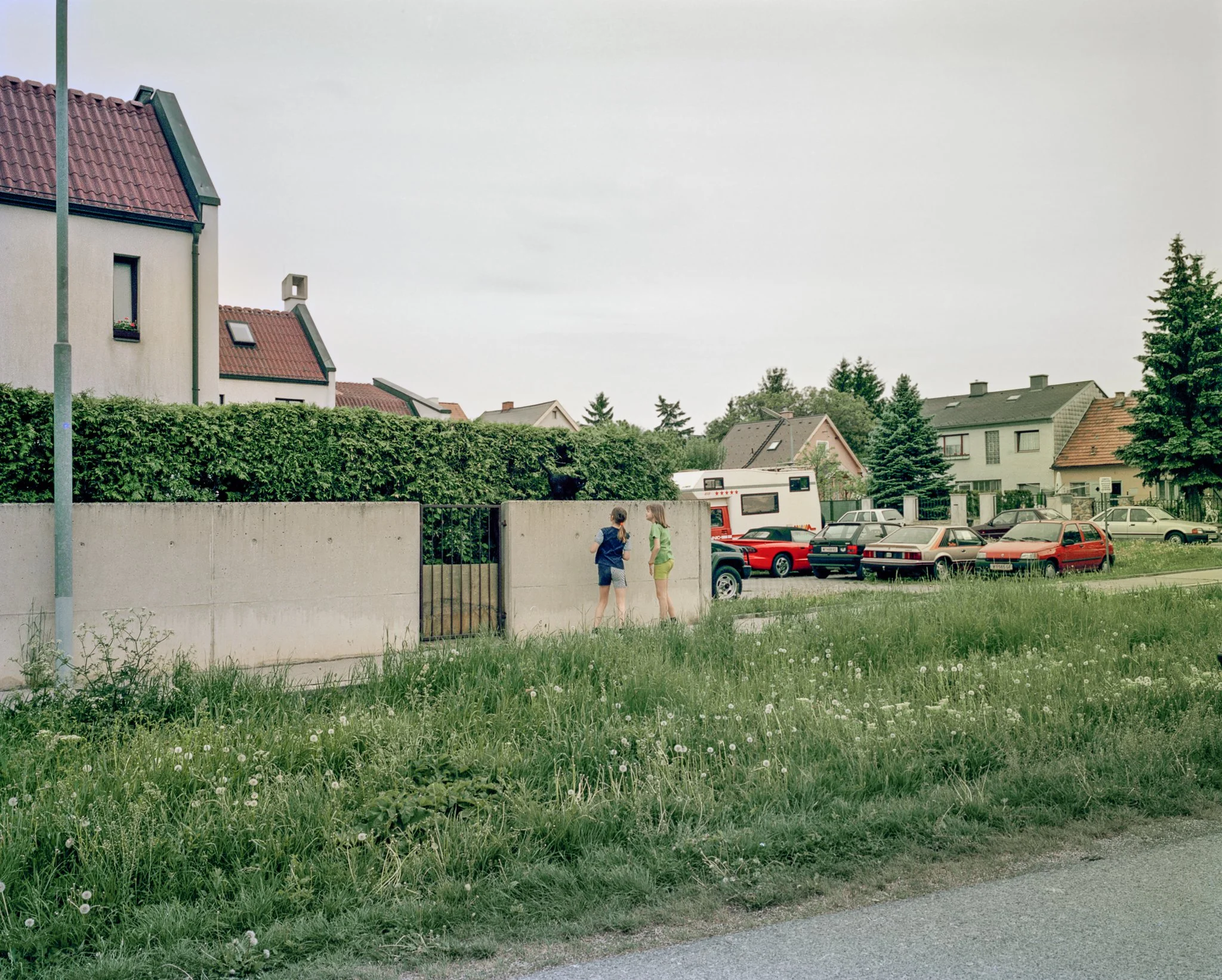
Not least was the photography teacher, Agnes Fromer, who herself was an artist, and a phenomenal inspiration. Furthermore, I was fascinated by and attracted to statements like “a photographer sees what others simply walk by.” So I began to look intently as I still do.
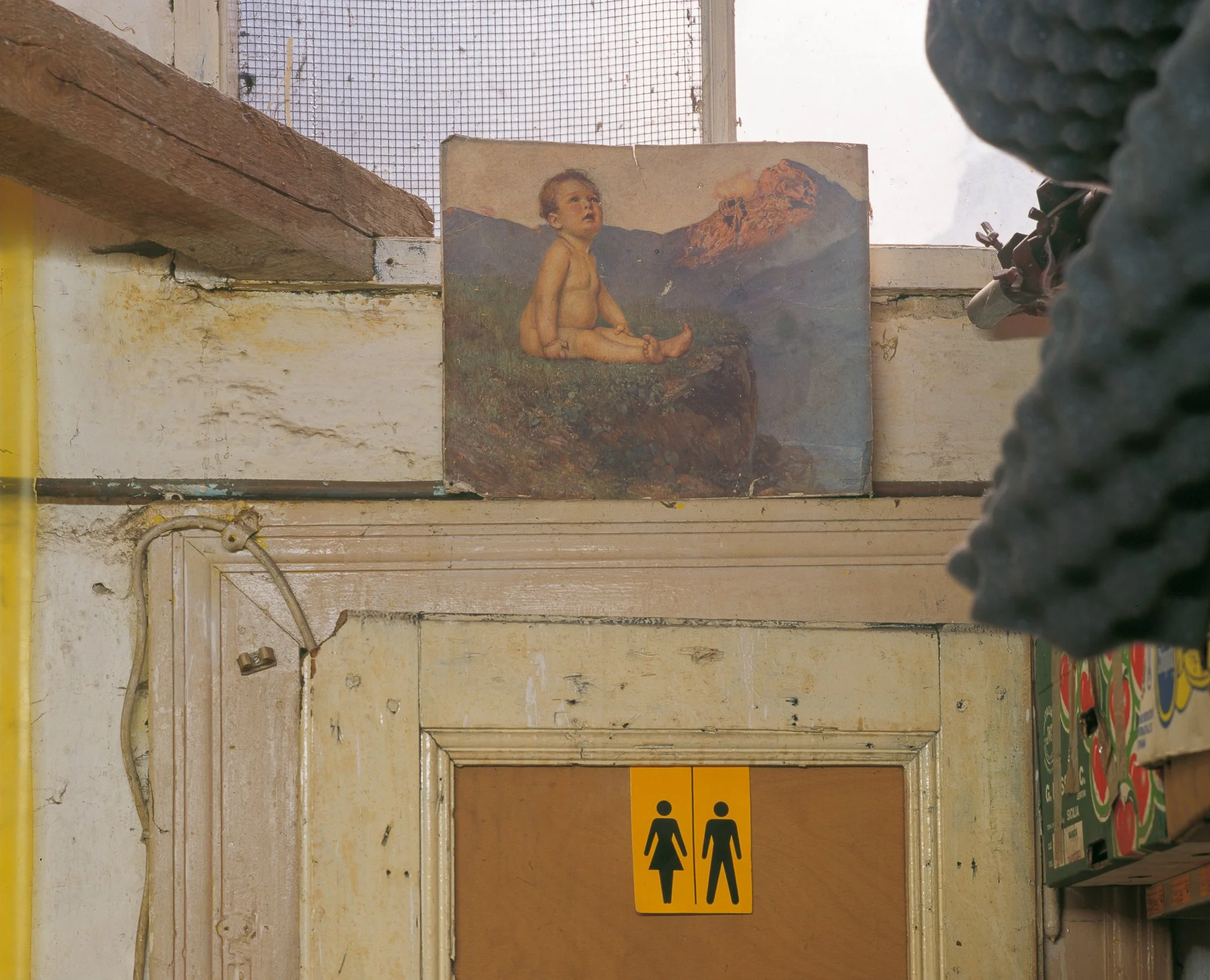
Much of photography is object oriented, with a central object or subject, usually centrally located within a frame, where the interest is with the object itself and/or the story the photographer seems to want to capture and to convey. Perhaps I am sometimes guilty of that practice, but have persistently sought to deviate from it, if only to rebel against the rule, and others. I even went through a phase where whichever camera I was using could have very well not had a viewfinder, as I was photographing with my wrist as my compass.
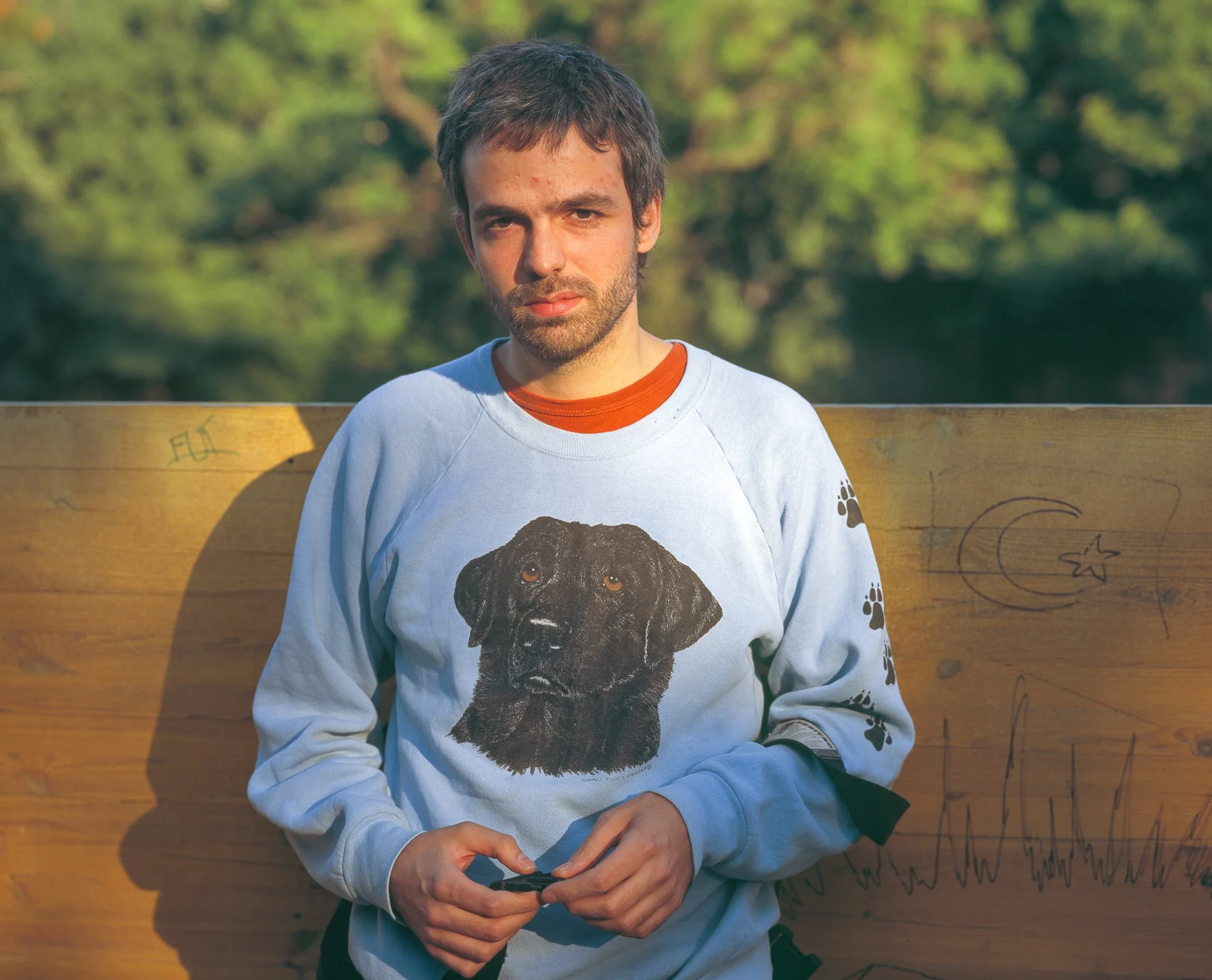
For many years I told my friends that my middle name was “snapshot,” celebrating that form of lackadaisical approach to capturing images and loving the results. However, after having traveled the world as a Flight Attendant from 1978 to 1986, and photographed along the way, I decided to take my photography to the next level, even perhaps as a profession. So at the age of 28 I attended a community college in Northern Virginia to take some basic liberal arts courses and get them out of the way for my following three years’ concentration on photography at the Rochester Institute of Technology.
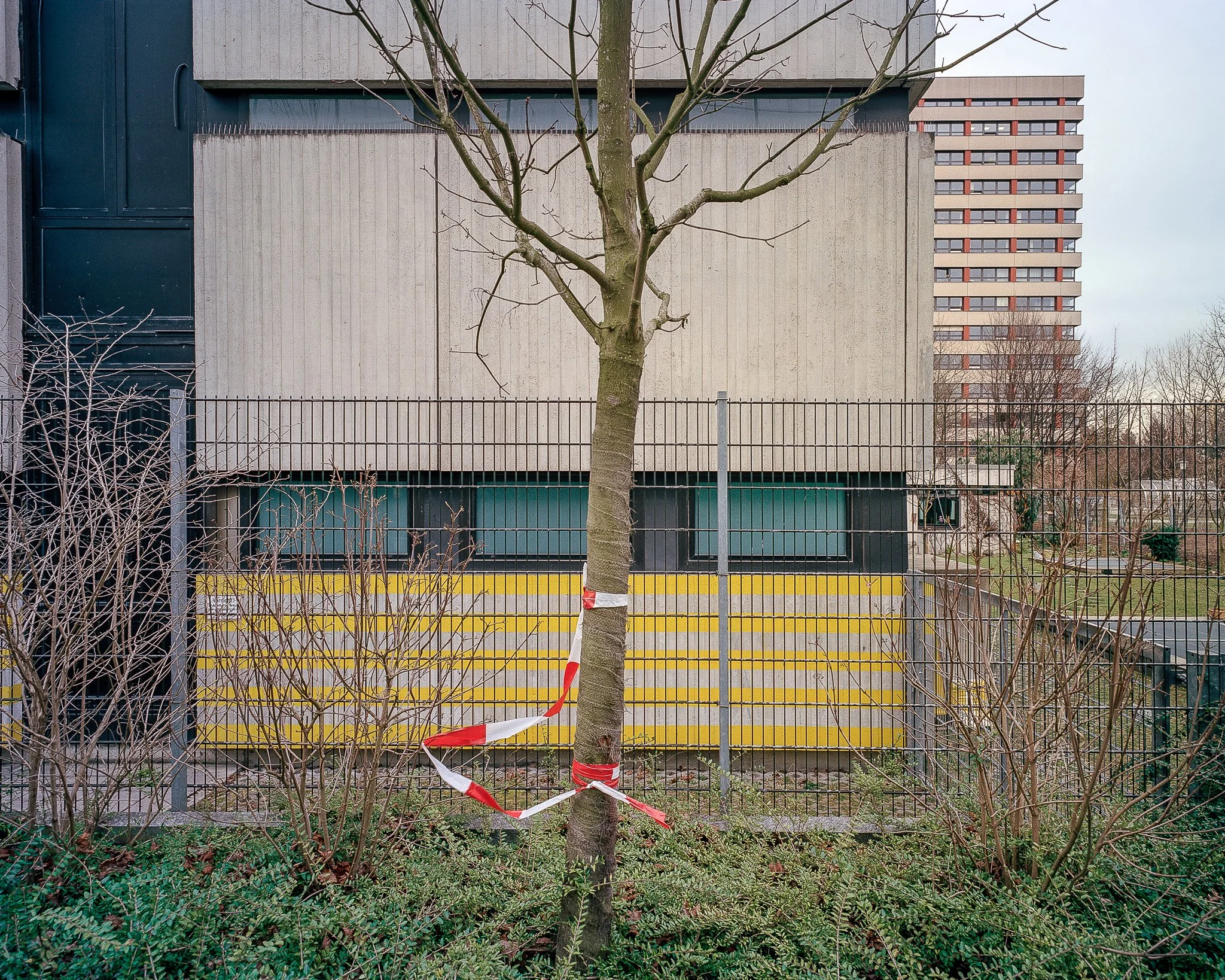
It was then that I had access to various format cameras and began to experiment with more classic forms of capture, including the use of a view camera, a radical departure from the point-and-shoot dozens of photos in one day to no more than a handful.
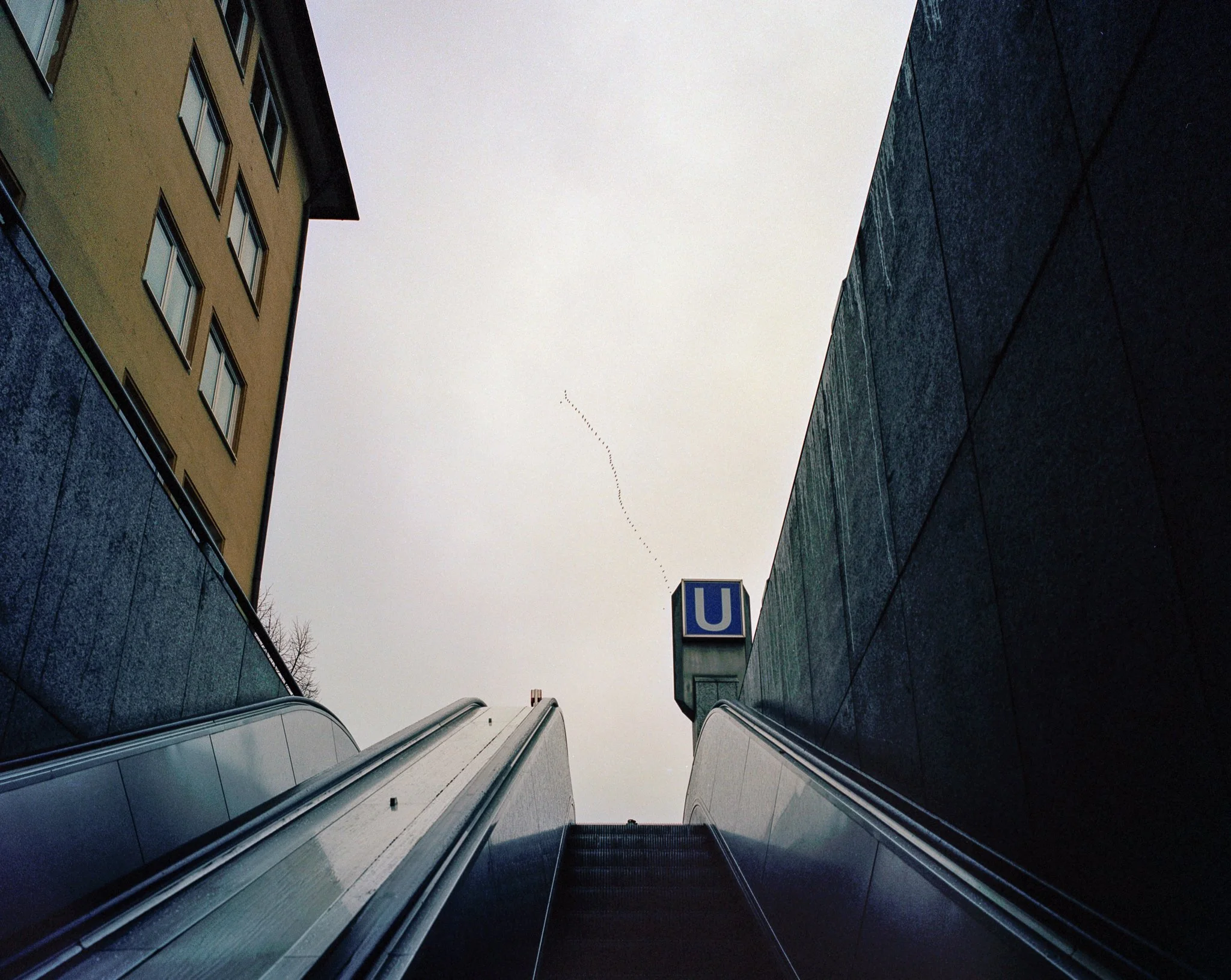
As a hoarder of images, I found the 4x5 camera to be too bulky and limiting, and in 1996 I bought my first medium format camera which I used for street photography in my home city of New York and on a one month trip in Europe. Upon returning home, I used it extensively and almost exclusively for portraits in the field, and more specifically at house parties.
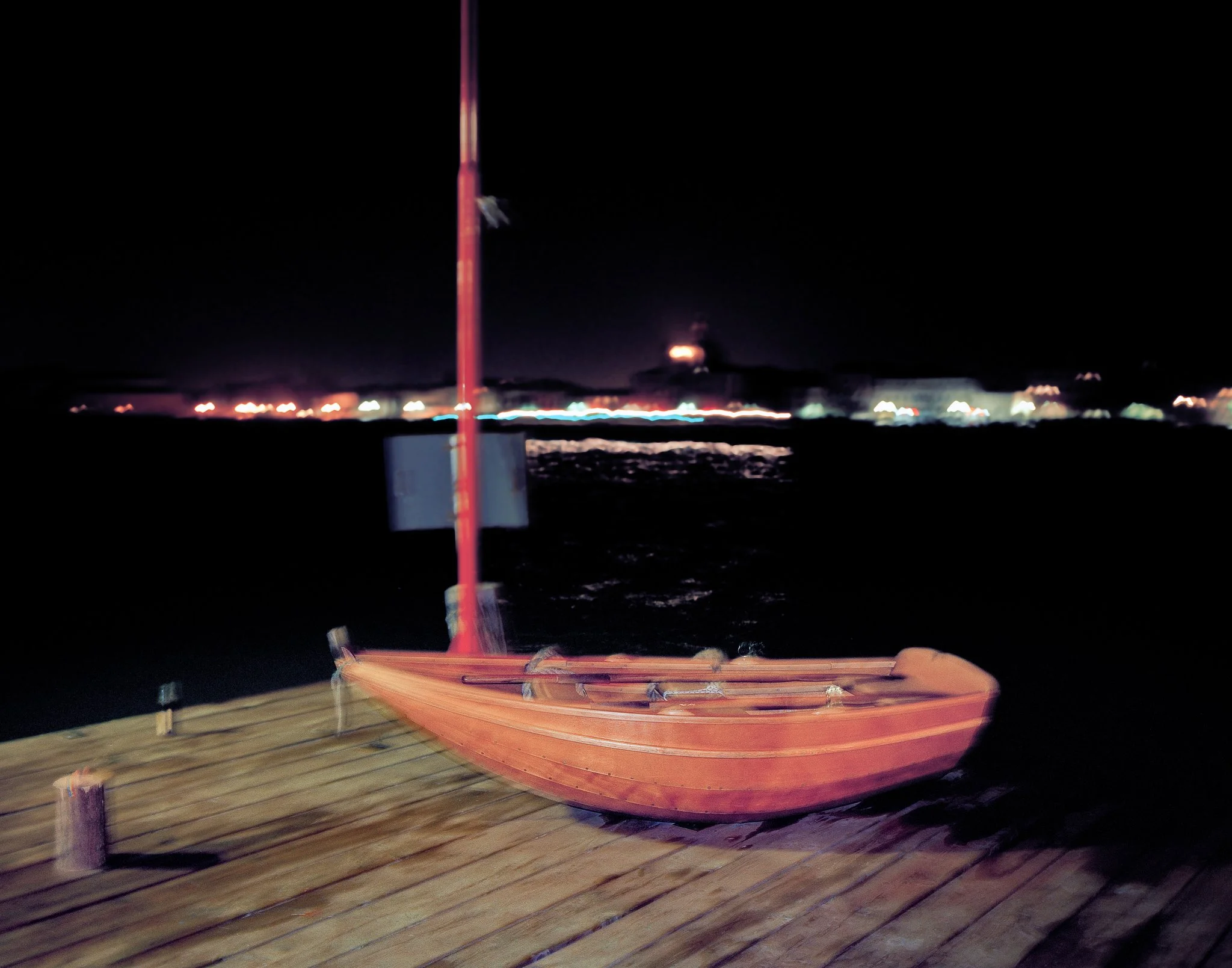
I frankly do not recall when I became enamored with two of my favorite photographers, William Eggleston and Stephen Shore, and I am also not certain if I intentionally sought to photograph like them. I have photos in my archive from the early 80s of Phoenix Arizona that scream Stephen Shore, and others from that same era that resonate of Mr. Eggleston’s work, even though I do not believe I was familiar with their oeuvre so early on.
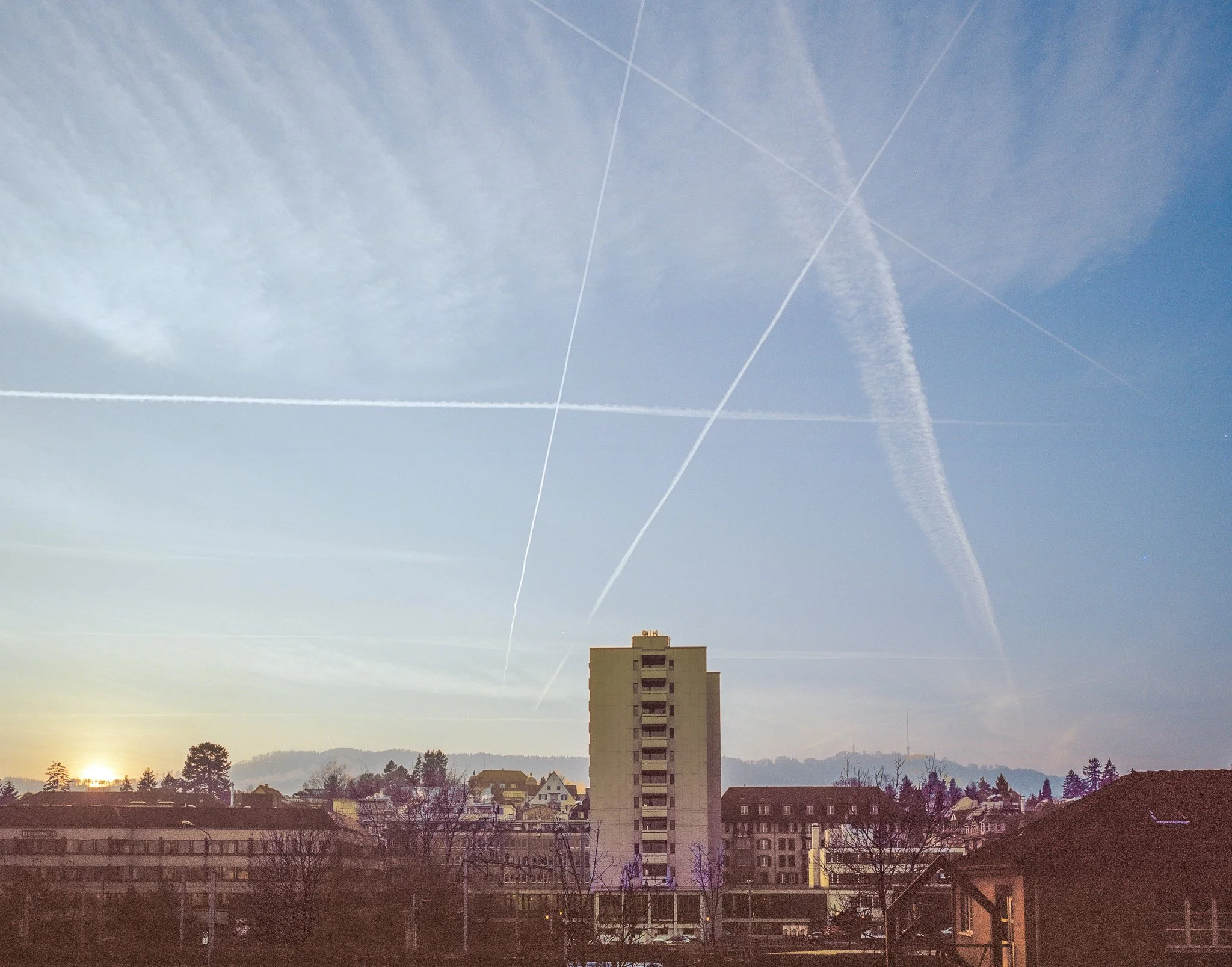
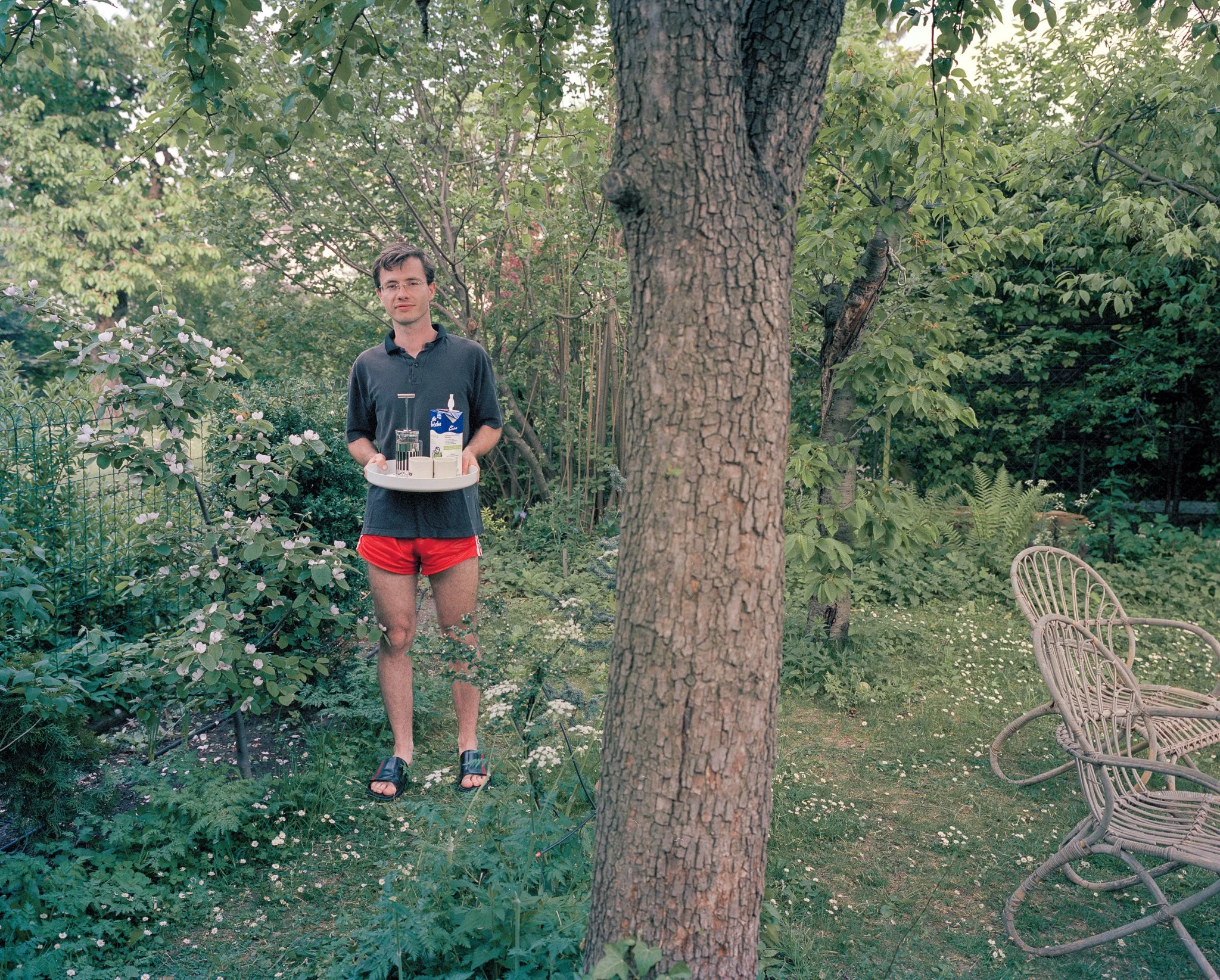
In 1999, as a result of a solid new friendship with an Austrian artist, I began to travel frequently to Vienna, from where I would take train rides all over western Europe with my Mamiya 7, working on a series I would later name “Urban Mundane,” the last photos from which are from the year 2004. The series was peppered with portraits and interiors in similar vein to my earlier work. I finally decided to edit them to make this book, realizing during the process how so many of them could have been influenced by the two masters I previously mentioned.
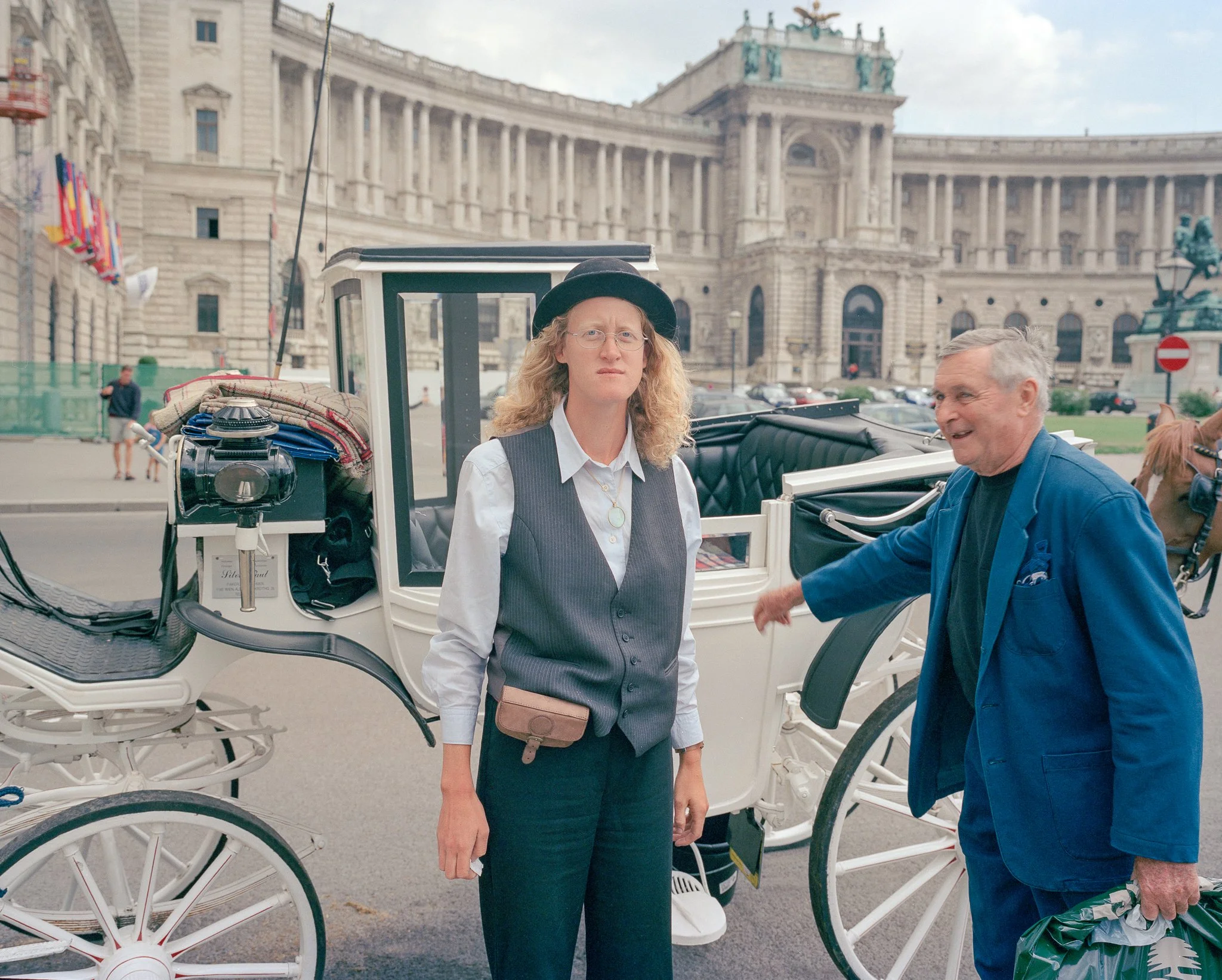
Although I am quite familiar with their abundant catalog of work in the United States, I wasn’t aware of any of their photography in Europe. A quick research yielded some images, but none that stand out as being celebrated like their domestic endeavors. So I had the idea of imagining a person that embodies both of them, going to Europe to see if the new environment would have any effect on their vision. I combed through the 9,000 photographs to find the ones that I thought could possibly be taken by that special photographer continuing on his path of exploring, seeing, and capturing.
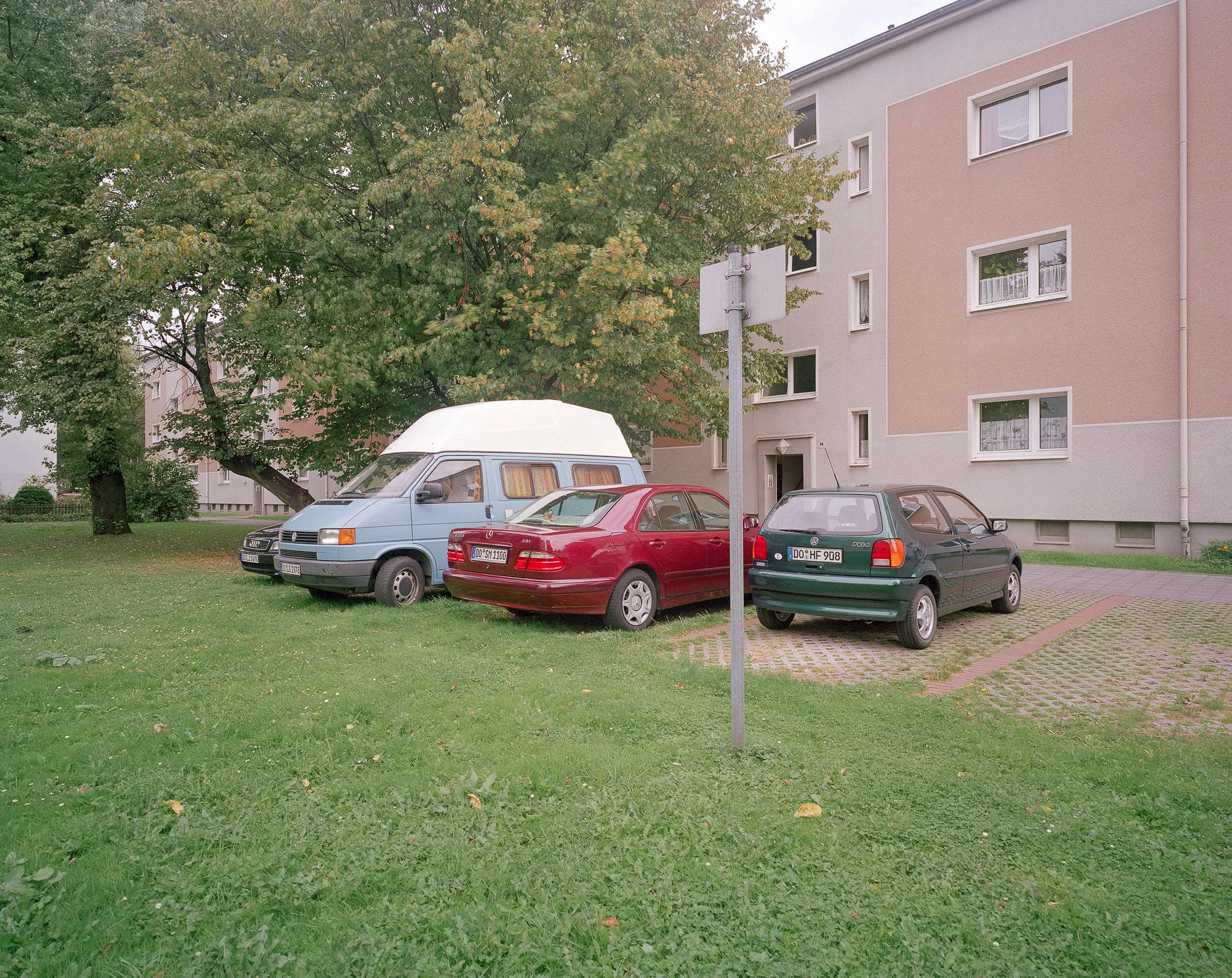
Capturing not an object,
but a story within a context
within a frame.