From November 4 to December 7, 2014 I welcomed visitors to my exhibition “Anecdotes and Photographs from the First Digital Cameras” at the vorAnker temporary space for Artists, in Vienna’s 10th district, Favoriten. More specifically in the newly refurbished former Ankerbrot bread factory, which now houses several photography galleries.
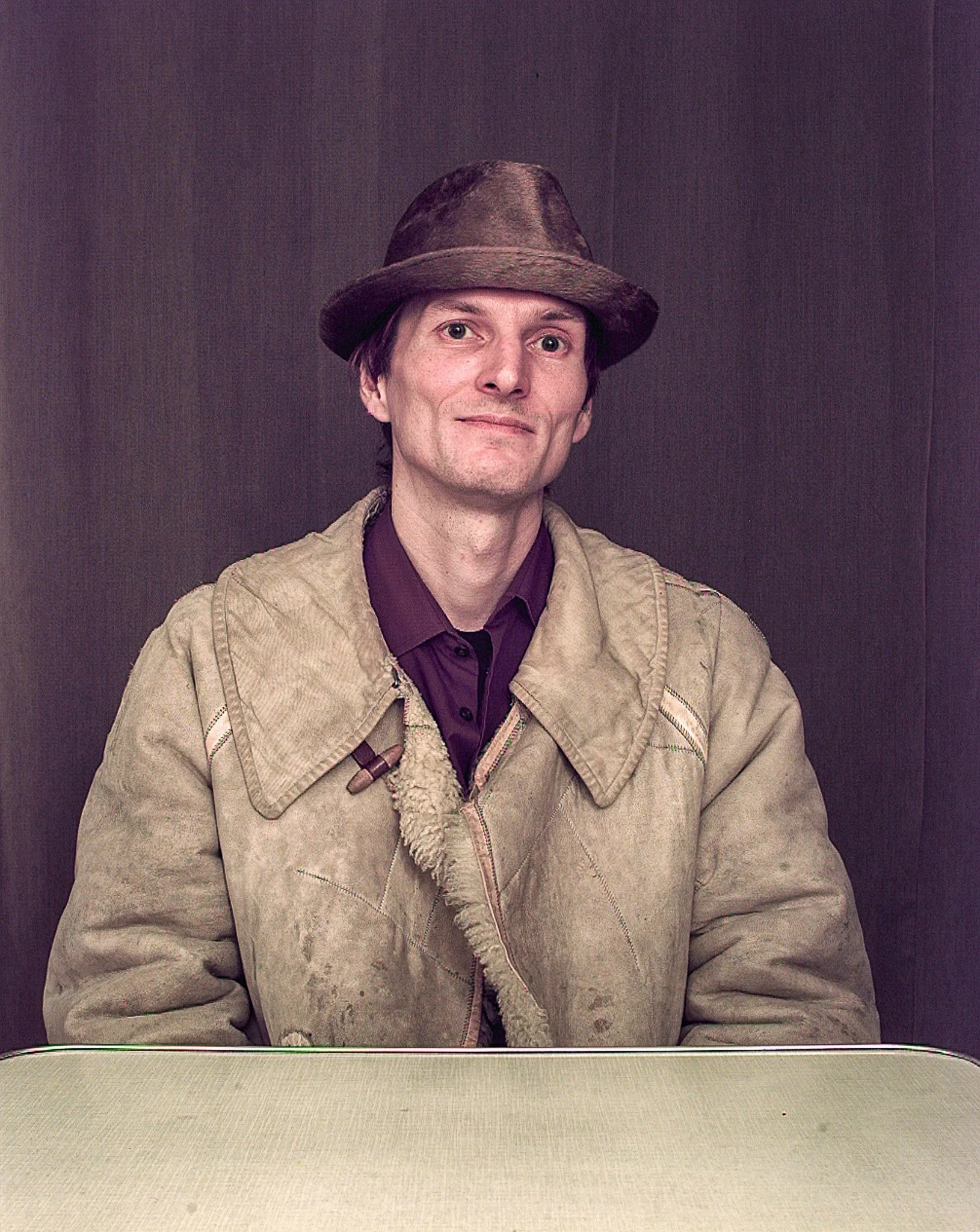
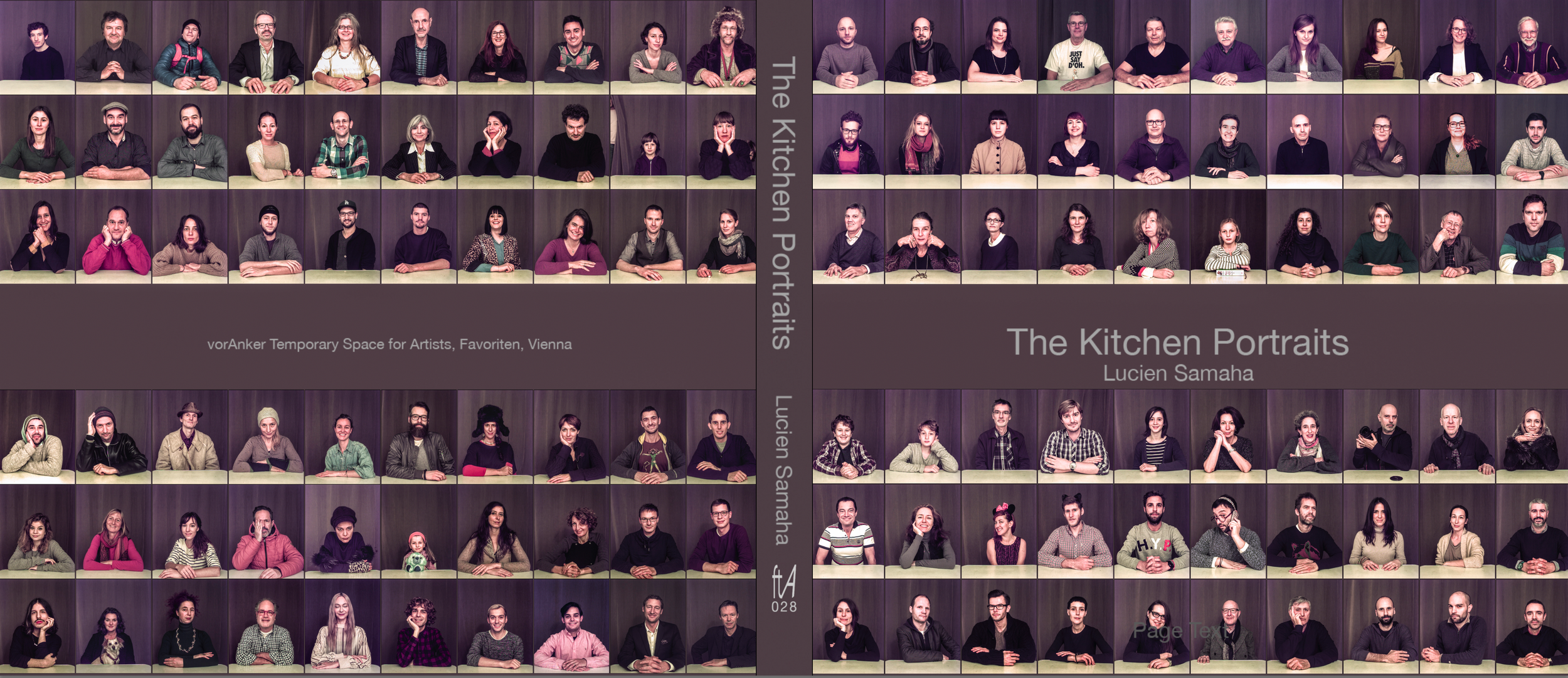
As is the case with most of my exhibitions, I like to add something special and more social to the visit. This time, I set up an intimate portrait studio in the very small kitchen of the space and took portraits of the willing visitors with the prototype of the very first commercially produced digital camera, the Kodak Professional Digital Camera System, otherwise known as the Kodak DCS.
I had used this very same unit back in 1991 when it was produced. I was responsible for demonstrating the new technology in the US, as well as in Australia, Japan, France, England and Canada, and provided training to both Kodak international sales and technical personnel and to various representatives of industries, particularly those from the field of photojournalism, the primary market for which the camera system was designed. As a result of major changes at Kodak at the time, combined with my transfer from Rochester to New York City, the case in which the camera was stored ended up among my personal items which went into storage for many years. I discovered it only a couple of years ago when I decided to bring all my belongings home for inventory and culling.
It was an arduous task to bring back the system into full use, for it is only compatible with much older computer hardware and operating systems, which cannot be smoothly integrated into more contemporary machines and systems. Through a much convoluted set up, I was able to recreate the conditions necessary to photograph with the camera and to be able to transfer the images for enhancement and for sharing.
As I mentioned, the system was not designed with portraiture in mind, and in fact, being a demonstration version prototype only, the color reproduction capacities are quite limited if not in fact quixotic. Nevertheless, the effect is purely nostalgic. The color palette, despite being digital and therefore manipulatable, remains unique and actually uncorrectable, due to crossed curves and strange hues that were interpolated to fill in for significant handicaps in the CCD technology of the time. Consequently, the portraits I made with this camera have a vintage digital look to them like no other. Nevertheless, I did enhance them using the latest in digital darkroom tools so that there is at least a modicum of consistency among the various plates.