
I was among seven artists and/or collaboratives to share a large hall of a former steel mill, that had been decommissioned years before on an abandoned site with giant remnants of metal structures with massive pipes and conduits that were sometimes used by local artists and musicians as percussion instruments.
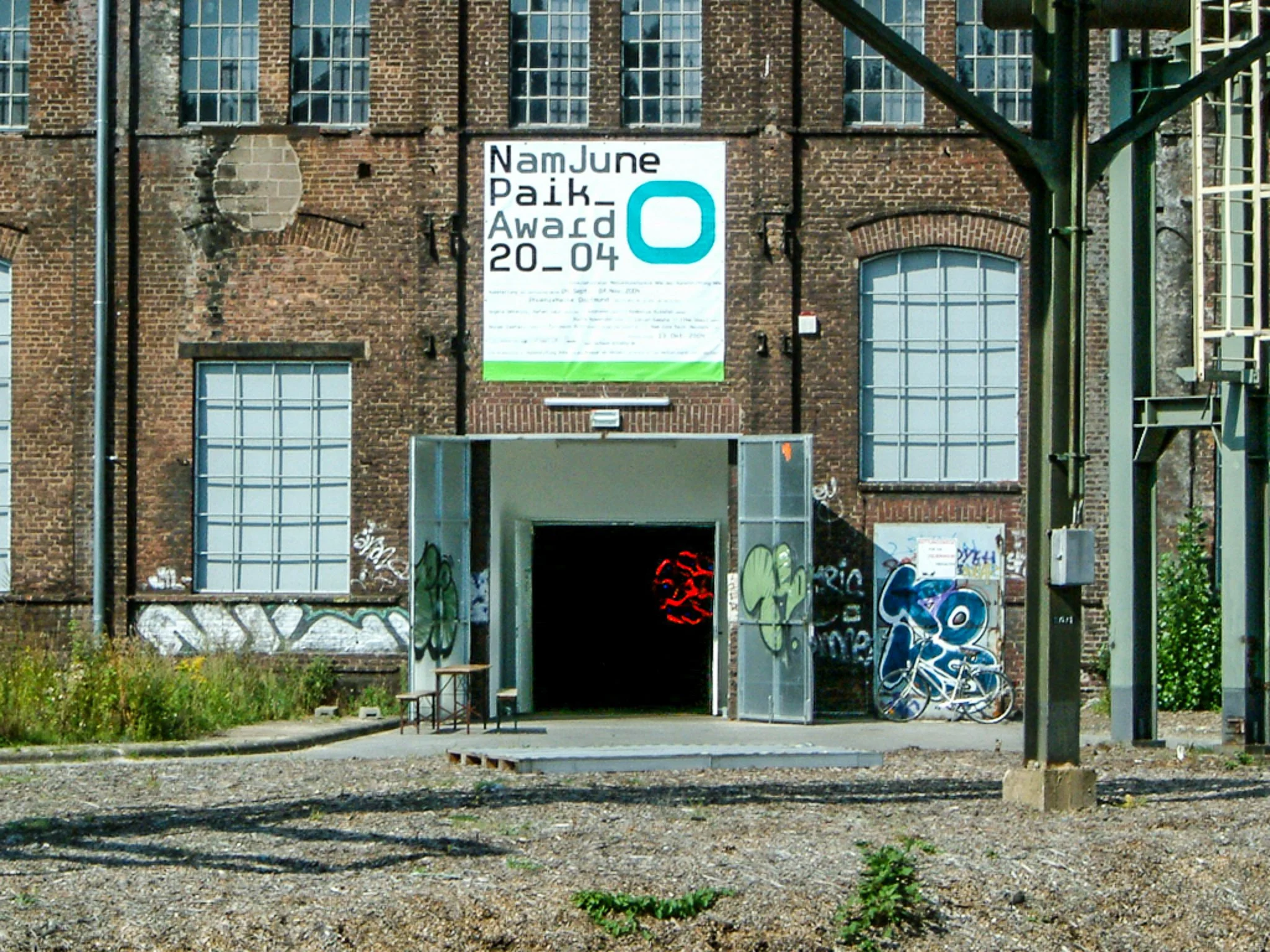
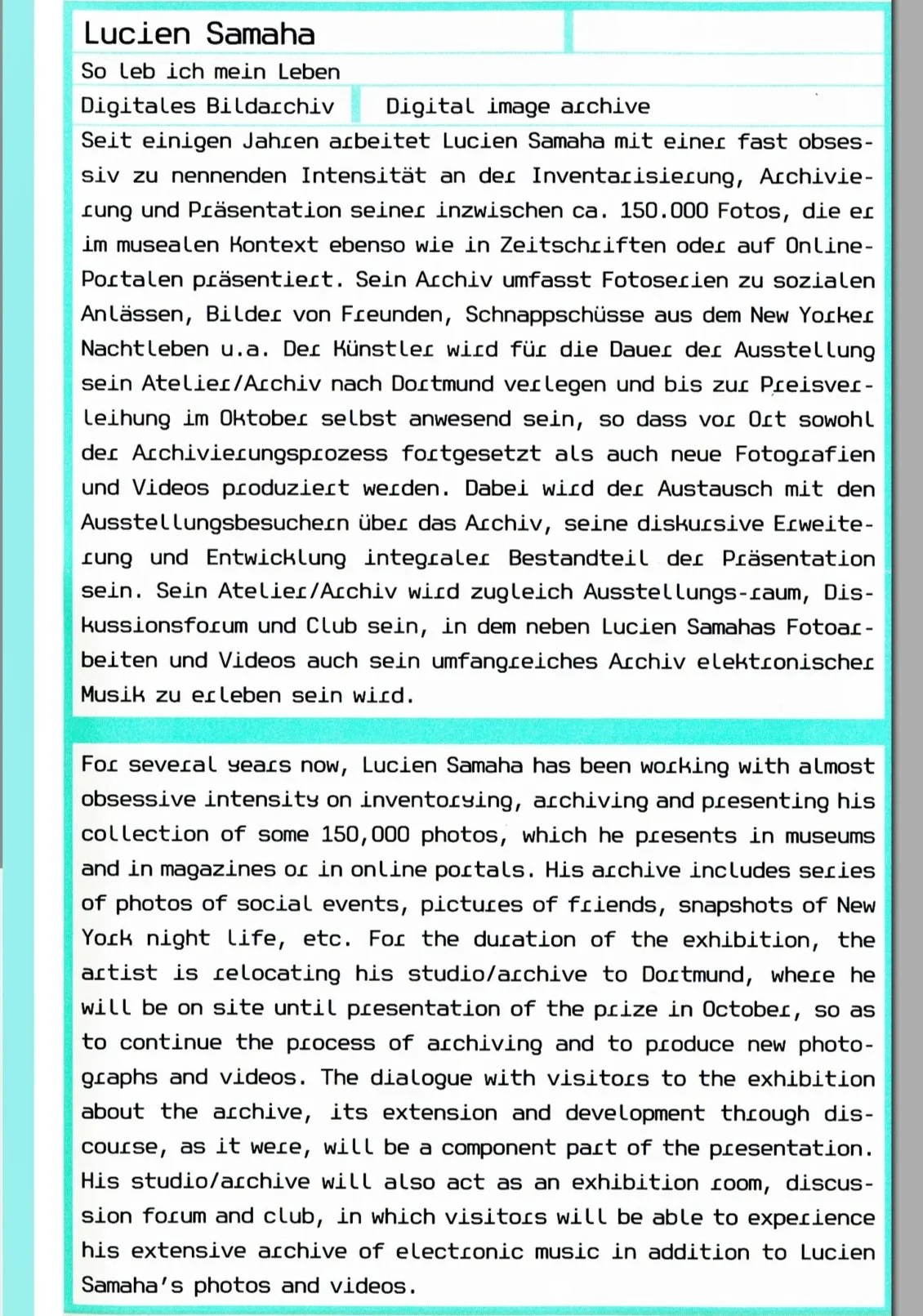
In 2004, my friend Walid Raad who was on the nomination committee for the biennial Nam June Paik Award and exhibition in Dortmund, Germany submitted my name while suggesting to me that I should build some sort of an exhibition around the way I share my photos at home with my friends and visitors. I was truly delighted to be accepted and began to design an environment with Iris Dressler and Hans Christ who were regarded as pioneering curators in New Media Arts, and the directors of the exhibition.
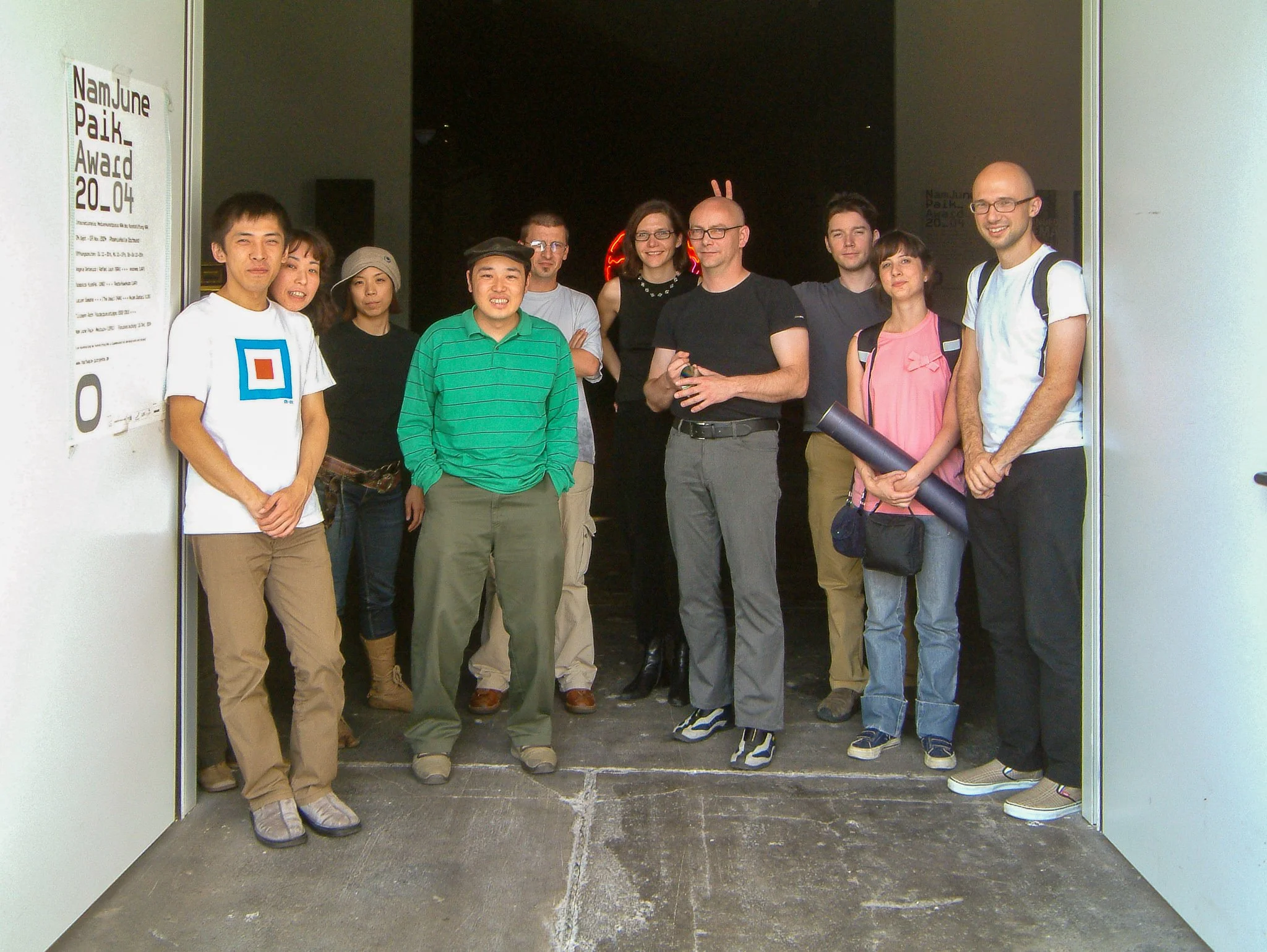
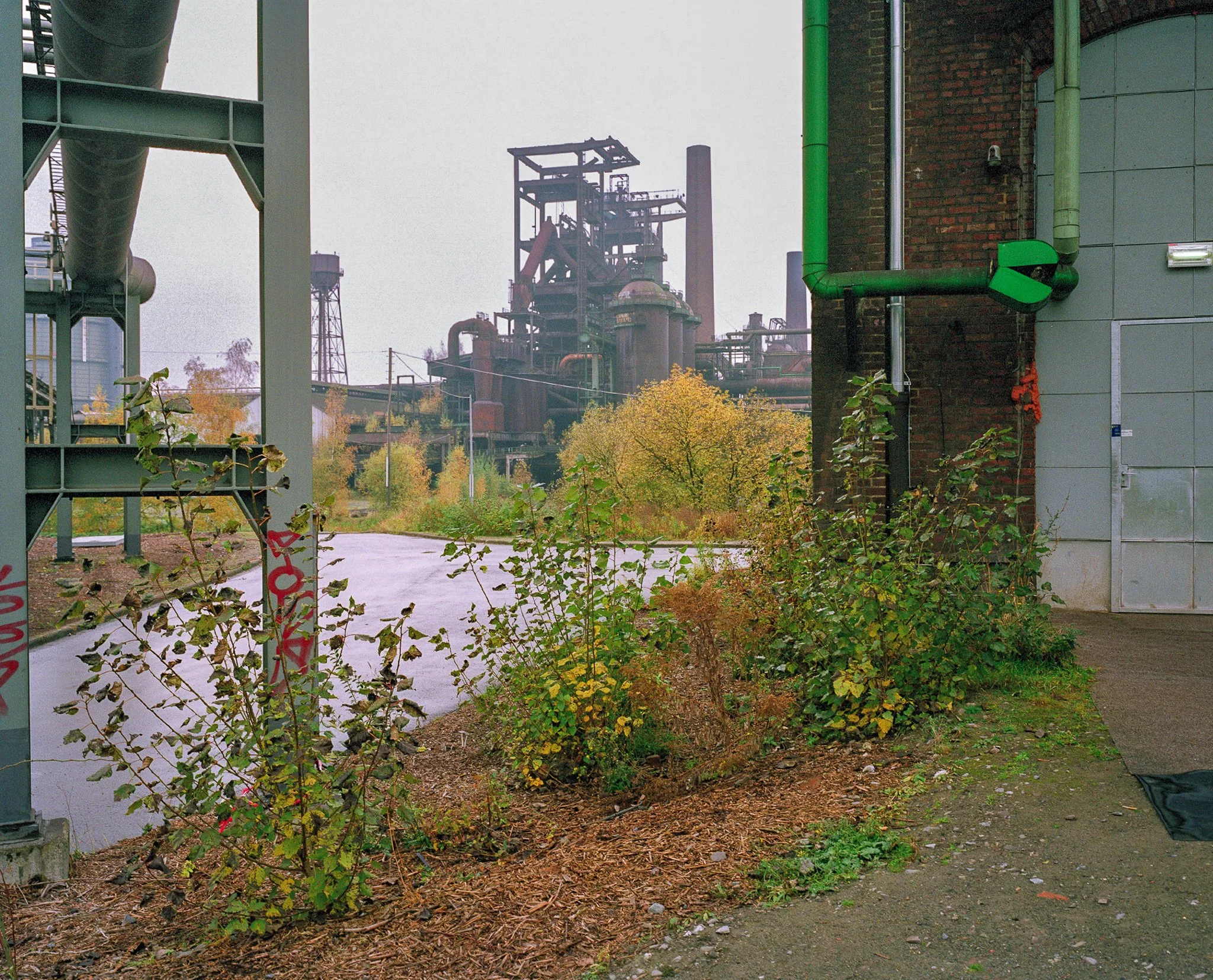
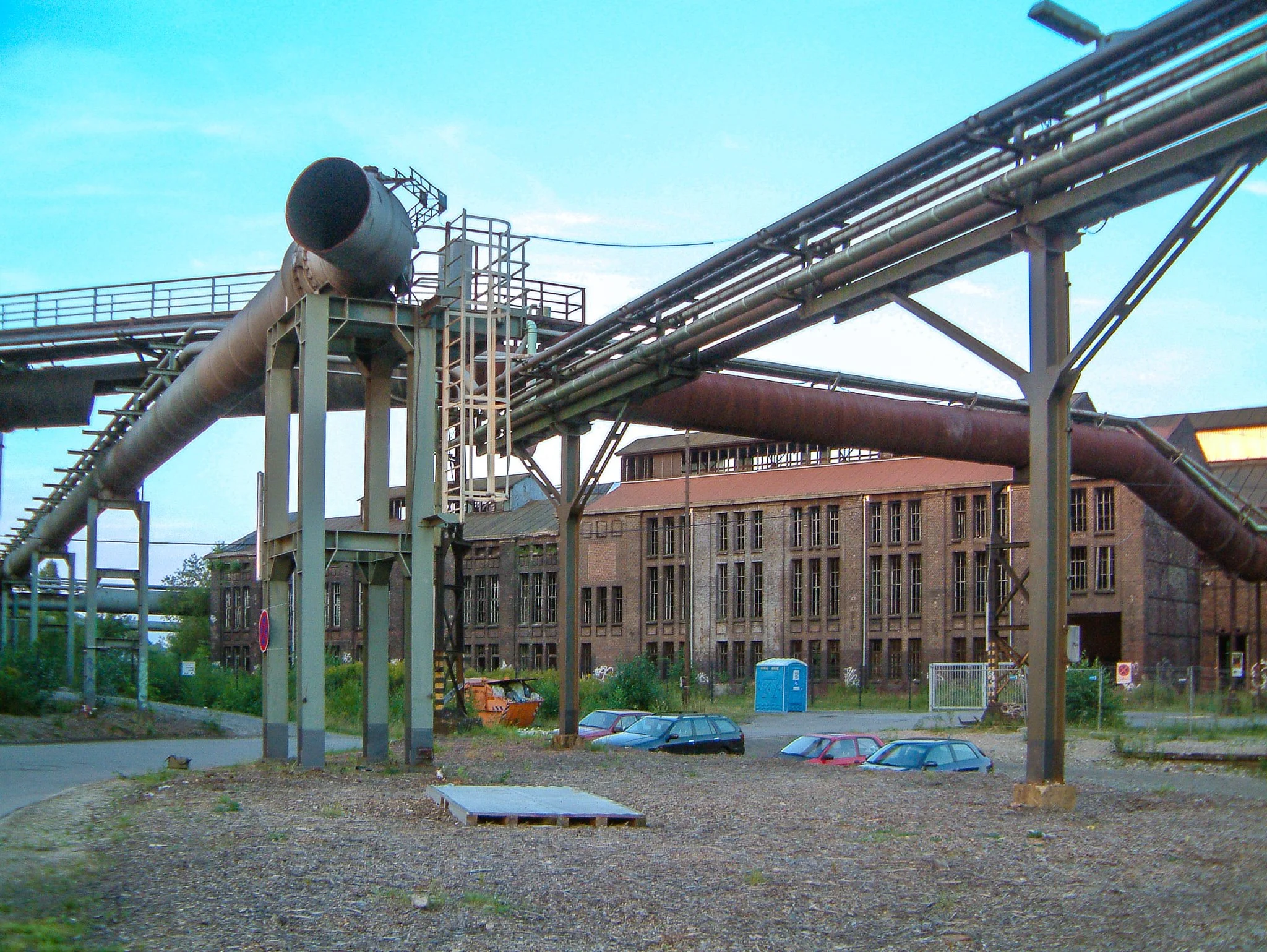
When on August 27 I finally arrived at the Phoenix Halle, in Dortmund Hörde, the actual town in the outskirts of Germany’s fourth largest city, I was awed by the setting, beyond what I had initially imagined, and very impressed by the operation of the curators and their team. After a couple of days on installation of complex technical works, there was a rather large, well attended opening.
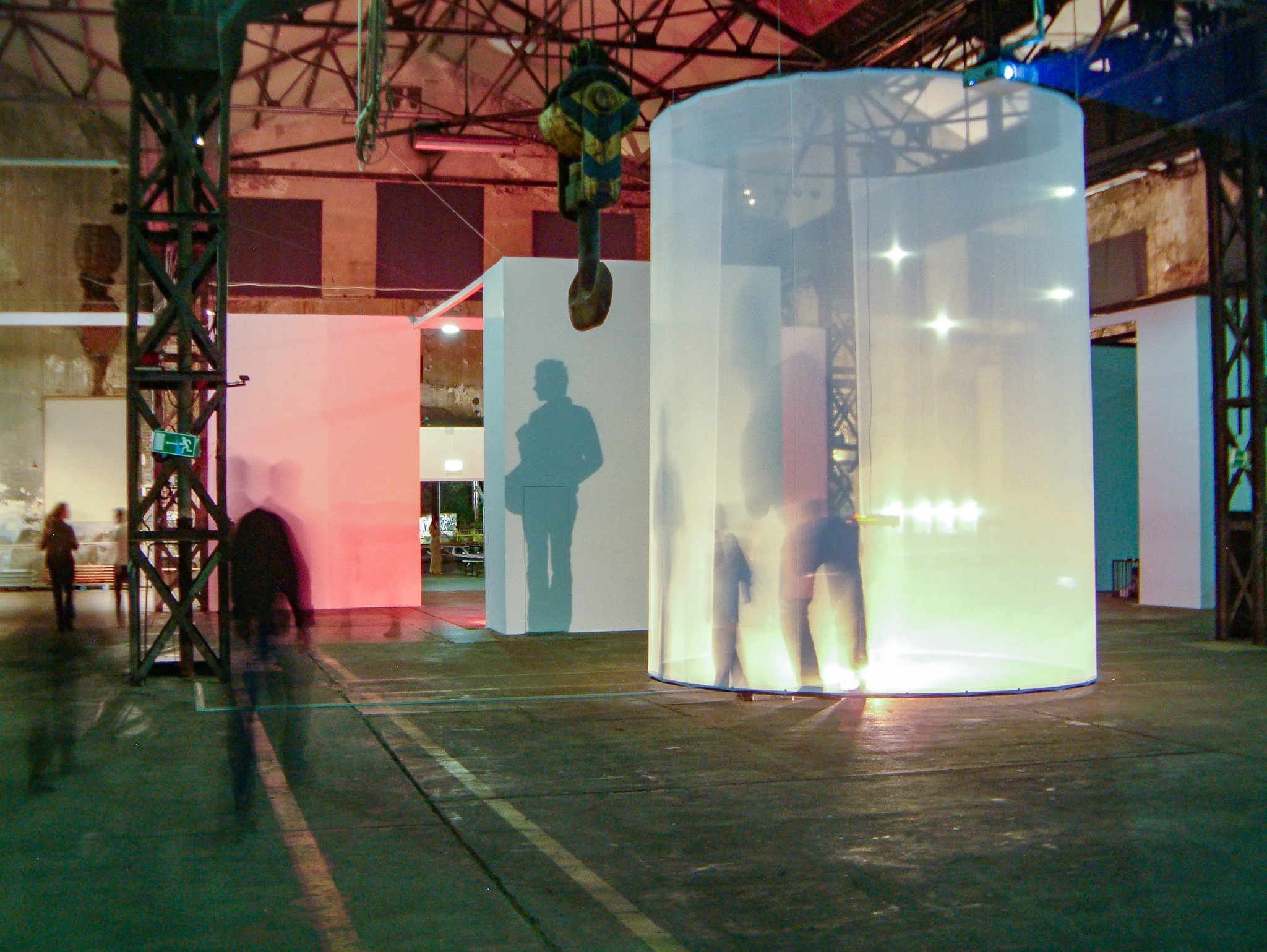
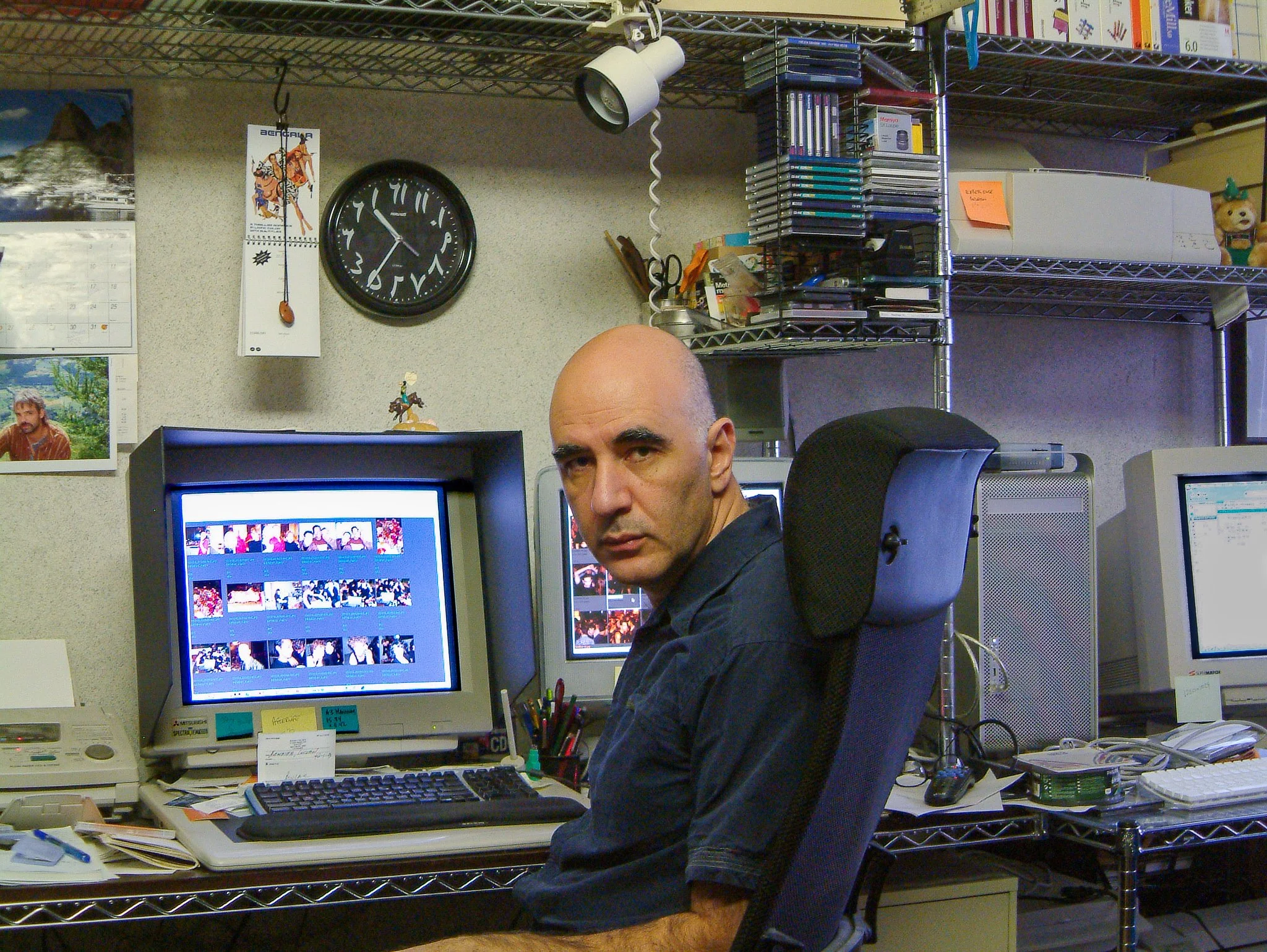
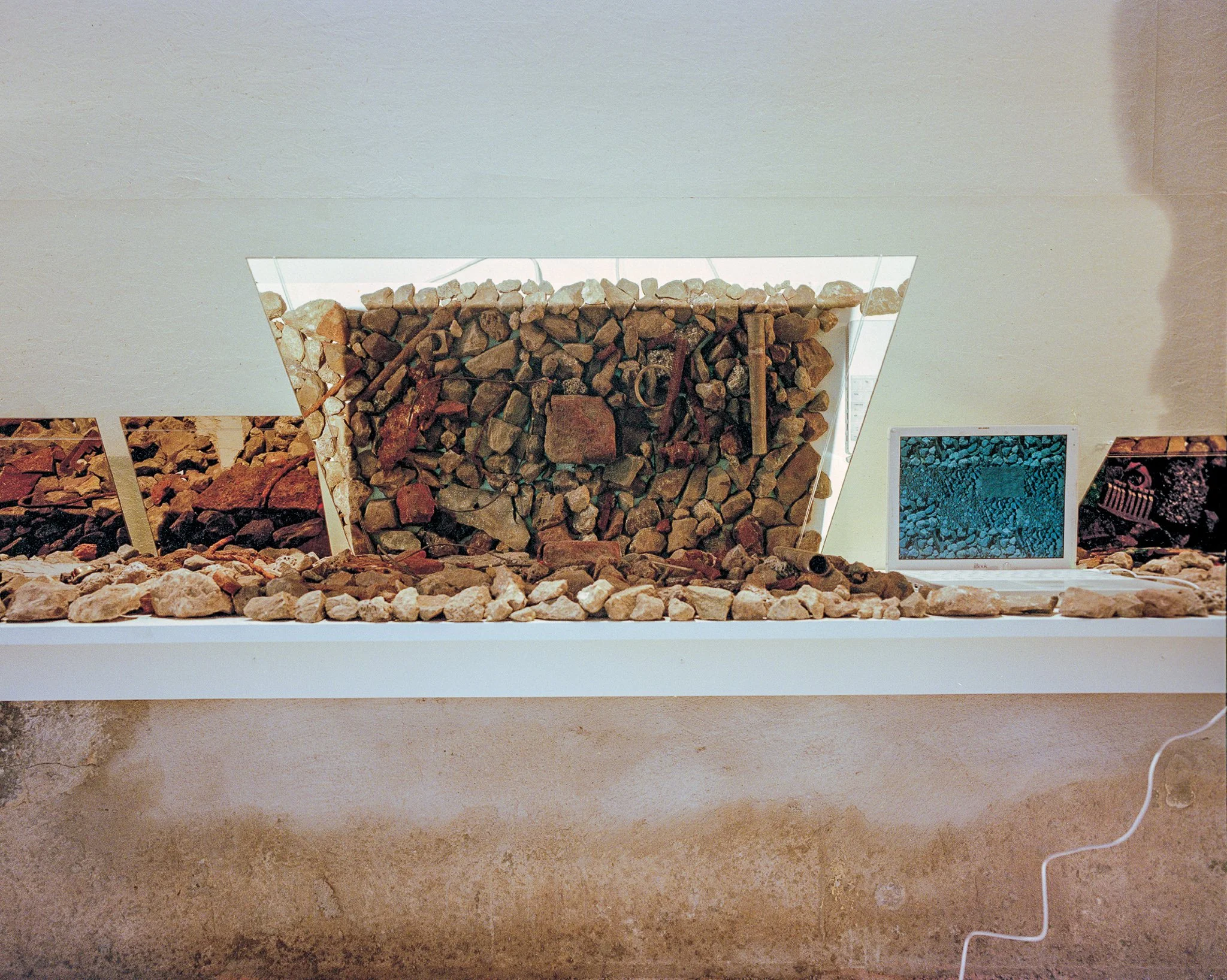
For the next several weeks, I sat at my desk surrounded by metallic mirrors, three of the latest Apple tower computers, one very large projection screen facing me and the “lounge” where my visitors would come, two outside screens for viewers in the main hall. I did not exhibit prints because my whole concept was to use technology exclusively, but regularly made small installations that brought elements from the landscape around the building inside, including stones, and plants.
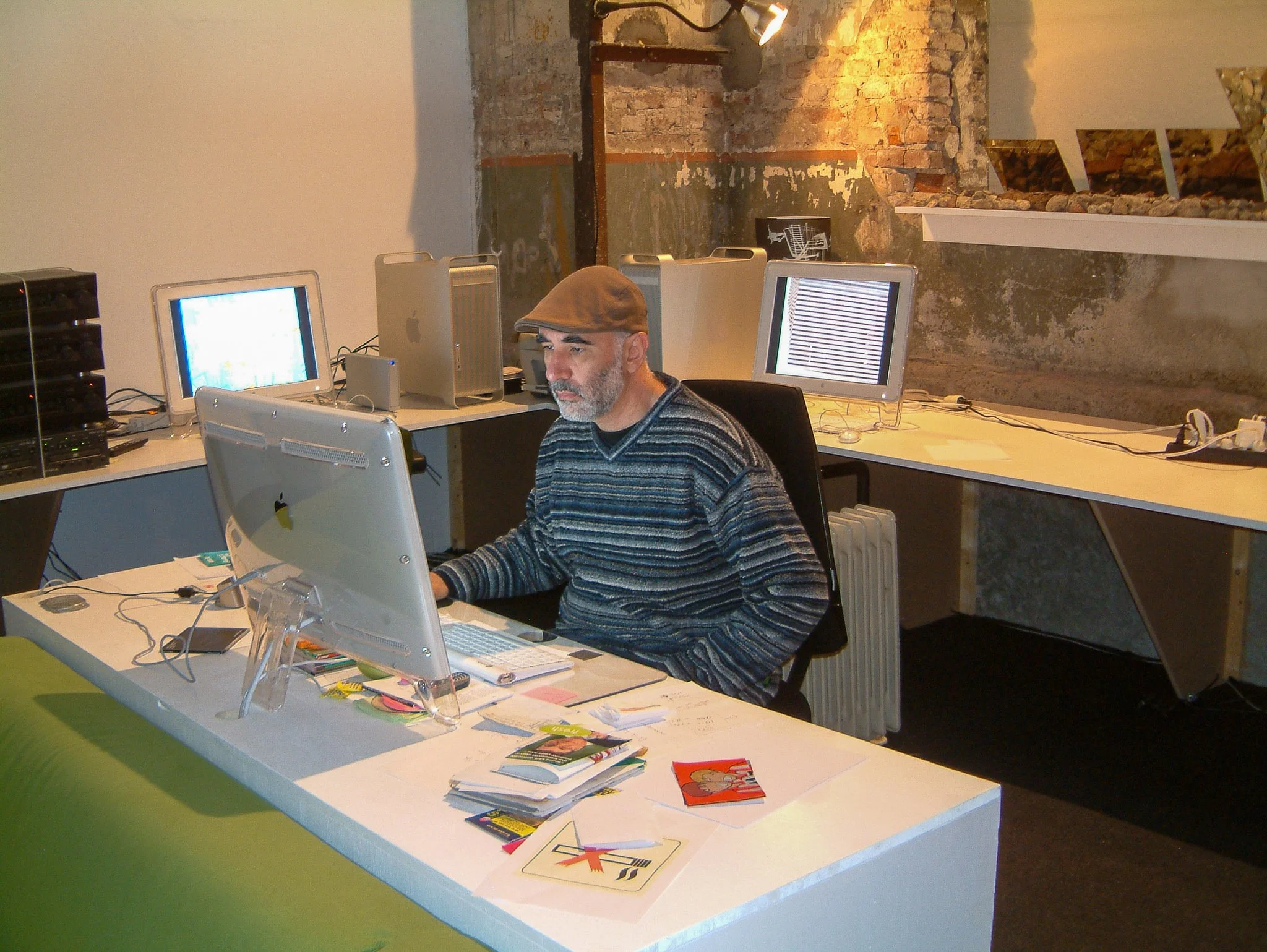
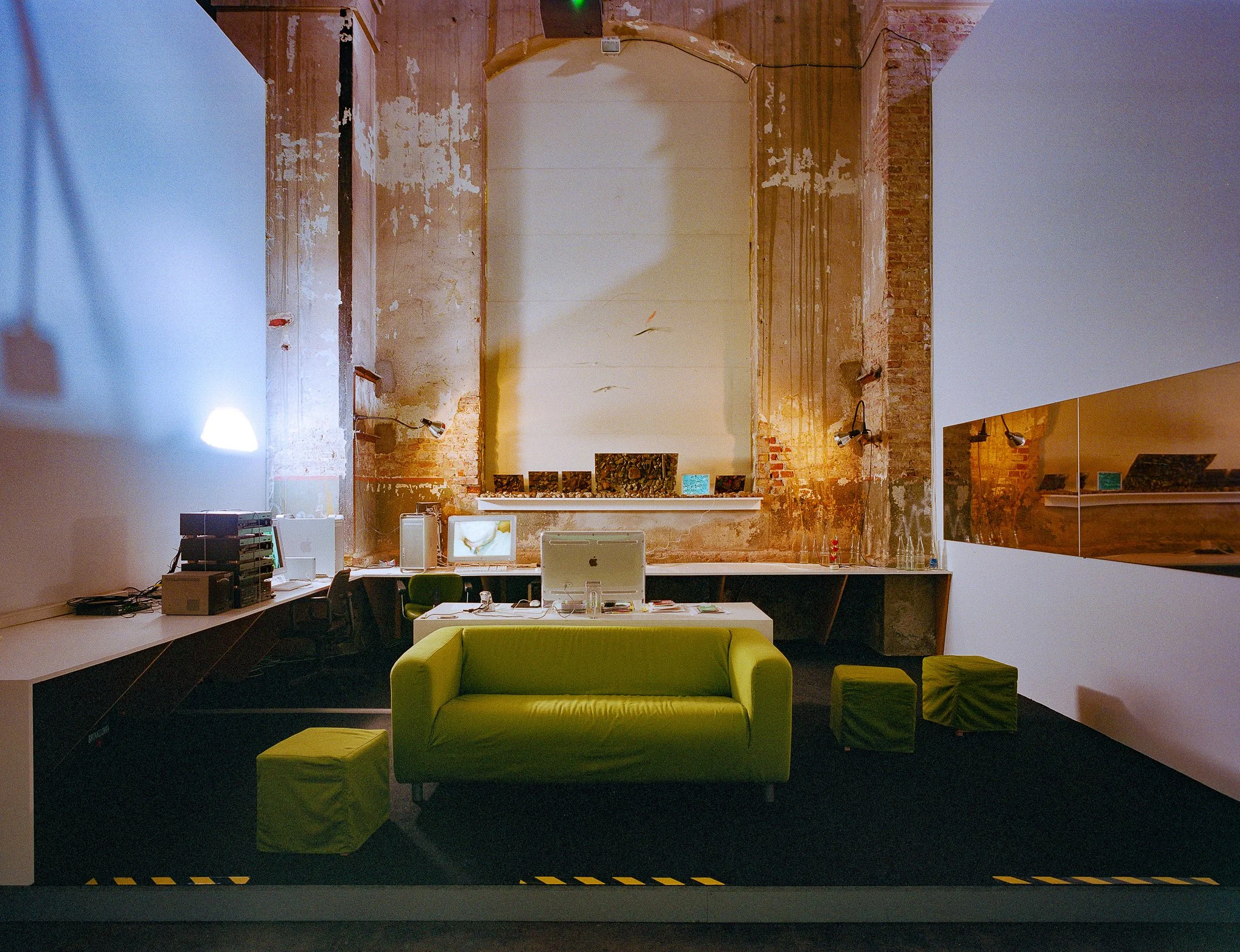
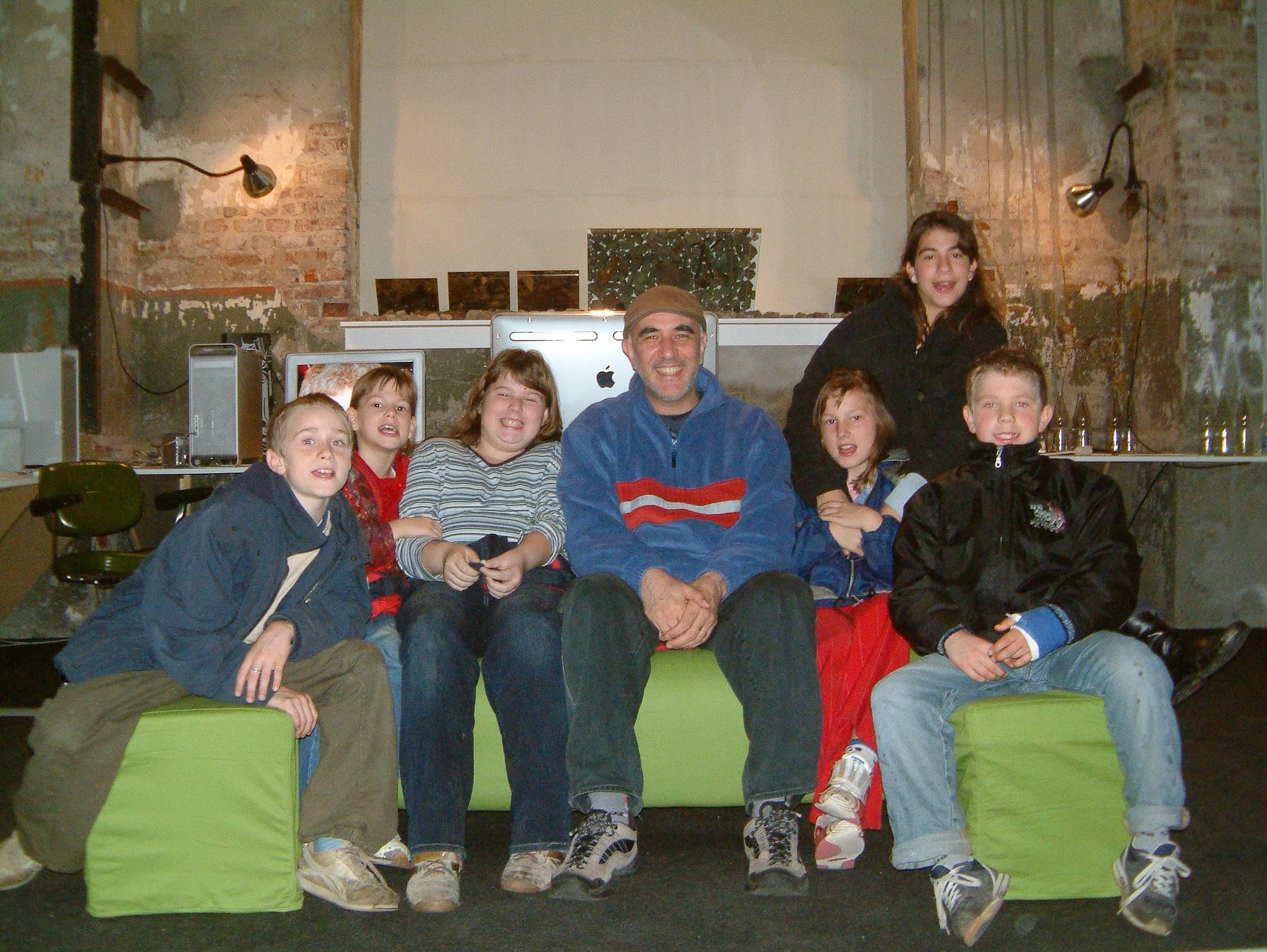
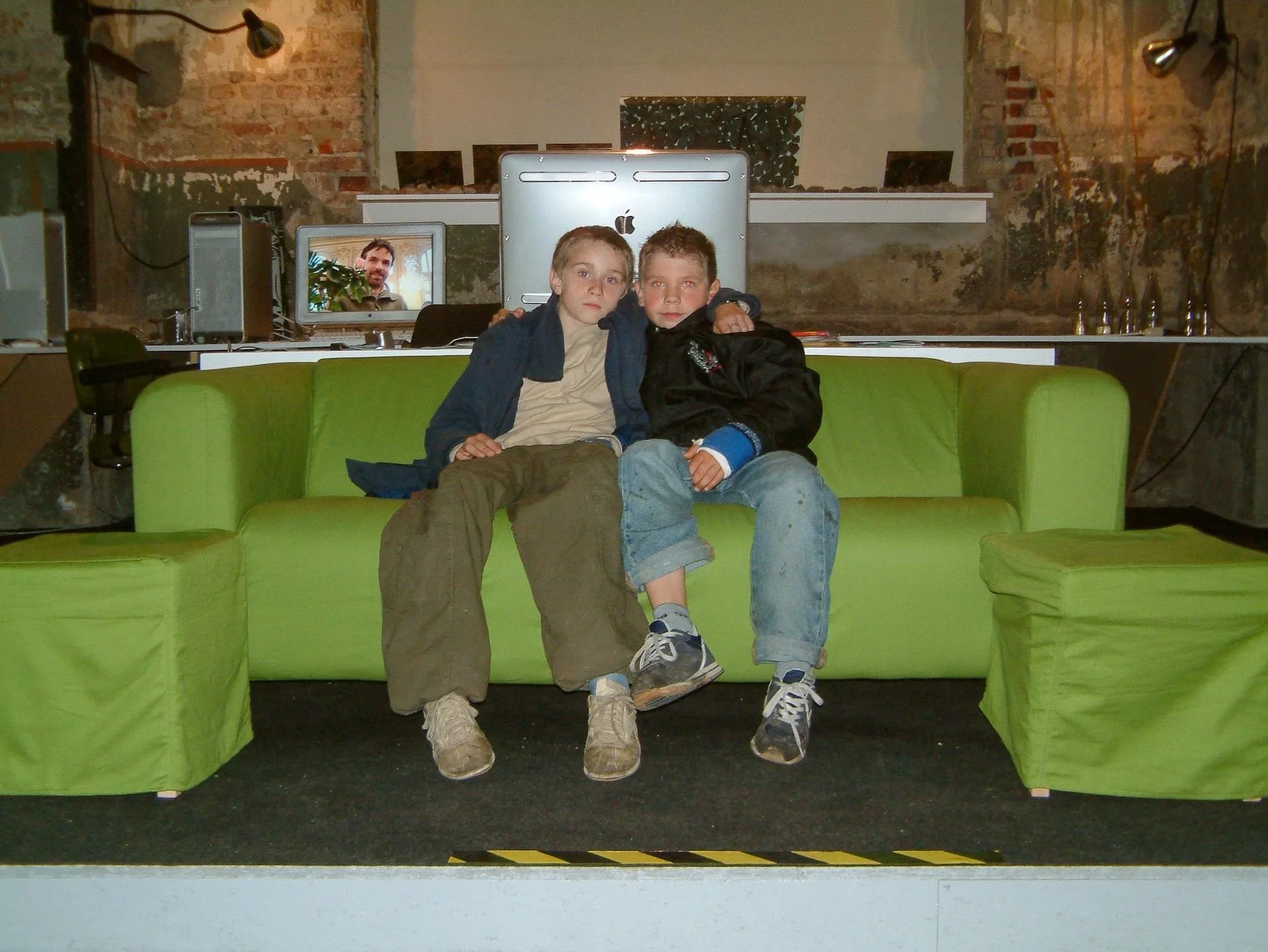
When visitors came, they would sit on any of the provided stools, and as we began to converse, every time they mentioned a word that I knew I had keywords for in my archive, for example something as simple as RAIN, I would retrieve all those photos and as we continued the dialog more keywords and more photos, projected large.
The truly fun parts were when students from elementary to high schools would come in large groups, and I would put on a slide show tailored to whatever age was present. I referred to the process as P-Jaying, Photo-Jockey as opposed to Disc Jockey for music. That said, I was also provided with a high end sound system to also DJ.
Even though I had already been in photo exhibitions, and even had my own solo show at Galerie Europa in Geneva, Switzerland, I considered myself an art world outsider, except that my best friend was an emerging great artist, and my boyfriend was part of the Viennese art collaborative Gelatin (now Gelitin), I had not yet heard the term Relational Aesthetics or Social Practice, but did some low level investigation.
Consequently this show was just a beginning of a series of exhibitions that were either one or the other, and sometimes an intersection of both, and sometimes neither, because I did not pursue the concept as basis for the exhibitions, but simply as a natural instinct to maximize my experience and that of the viewer/visitor.
It was at this Nam June Paik Award exhibition that the curator of the MMK, the Frankfurt Museum of Modern Art, Udo Kittelmann saw my installation, asked me to contact him the following week, at which point he invited be to come to Frankfurt to discuss being part of their biennial “Frankfurter Positionen.”


RELATIONAL AESTHETICS
With early access to digital imaging technologies, around 1989 I began to slowly digitize, annotate, and archive my negatives which until then had been stacked in a unorganized pile in negative sleeves, albeit with metadata written with a sharpie. With time, the digital database began to grow, so much so that it had a life of its own; a beast that demanded constant feeding, and I was happy to indulge. Today, towards the end of 2026, this archive contains an estimated 3 million digital assets, including my original photography, both analog and digital, my video captures, screenshots, appropriated images, and original artworks.
When Eastman Kodak Company transferred me from Rochester to New York City in 1993, I set up my home workspace with a Mac tower and a large calibrated monitor, for the purpose of editing and continuing my accelerating archiving process, including the tagging of names and places. Consequently, whenever friends would come for a visit, I would sit them next to me and simply type their name in the search field, and all the photos of them would be there to go through. It was mostly a wonderful nostalgic experience, but sometimes not, when they saw themselves with an ex-lover, or in an awkward situation or pose.